I.M. Pei (1917–2019), the Chinese-American master of modernist geometry and 1983 Pritzker Prize laureate, spent seven decades proving that bold abstract forms — glass pyramids, faceted towers, buried museums — could serve history rather than fight it. From the Louvre Pyramid in Paris to the Museum of Islamic Art in Doha, these are the 15 projects that define his legacy.
I.M. Pei’s Famous Works at a Glance
| Project | Location | Year |
|---|---|---|
| Museum of Islamic Art | Doha, Qatar | 2008 |
| Grand Louvre & Pyramid | Paris, France | 1989 |
| Suzhou Museum | Suzhou, China | 2006 |
| NCAR Mesa Laboratory | Boulder, Colorado, USA | 1967 |
| Luce Memorial Chapel | Taichung, Taiwan | 1963 |
| John F. Kennedy Presidential Library and Museum | Boston, Massachusetts, USA | 1979 |
| Everson Museum of Art | Syracuse, New York, USA | 1968 |
| Bank of China Tower | Hong Kong | 1990 |
| Dallas City Hall | Dallas, Texas, USA | 1978 |
| Rock and Roll Hall of Fame | Cleveland, Ohio, USA | 1995 |
| East Building, National Gallery of Art | Washington, D.C., USA | 1978 |
| Miho Museum | Shigaraki (near Kyoto), Japan | 1997 |
| Morton H. Meyerson Symphony Center | Dallas, Texas, USA | 1989 |
| Jacob K. Javits Convention Center | New York City, USA | 1986 |
| Fragrant Hill Hotel | Beijing, China | 1982 |
Ieoh Ming Pei, born in 1917, was a Chinese-American architect known for his explicit, bold designs and intriguing geometric forms. He moved to the US in 1935 to pursue higher studies and started his career in architecture. He started I.M. Pei and Associates in 1955, which later changed to I.M. Pei and Partners in 1966. His remarkable approaches to the designs got him many awards: an Architectural firm award from the American Institute of Architects (1968), a Gold medal from the American Institute of Architects (1979), a Gold Medal for Architecture from the American Academy of Arts and Letters (1979), Pritzker prize (1983) and many more. During his 60 years of architectural practice, I.M. Pei created more than 50 Architectural wonders of which 15 most iconic projects are listed below:
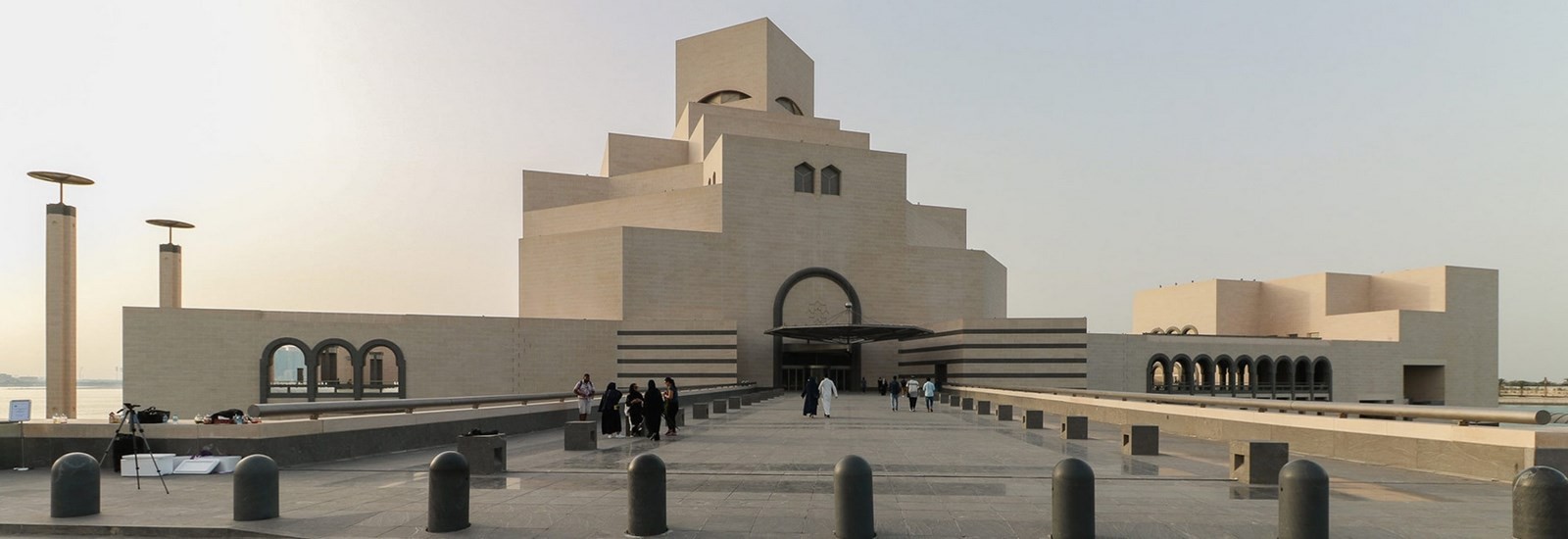
1. Museum of Islamic Art, Doha, Qatar | I.M. Pei
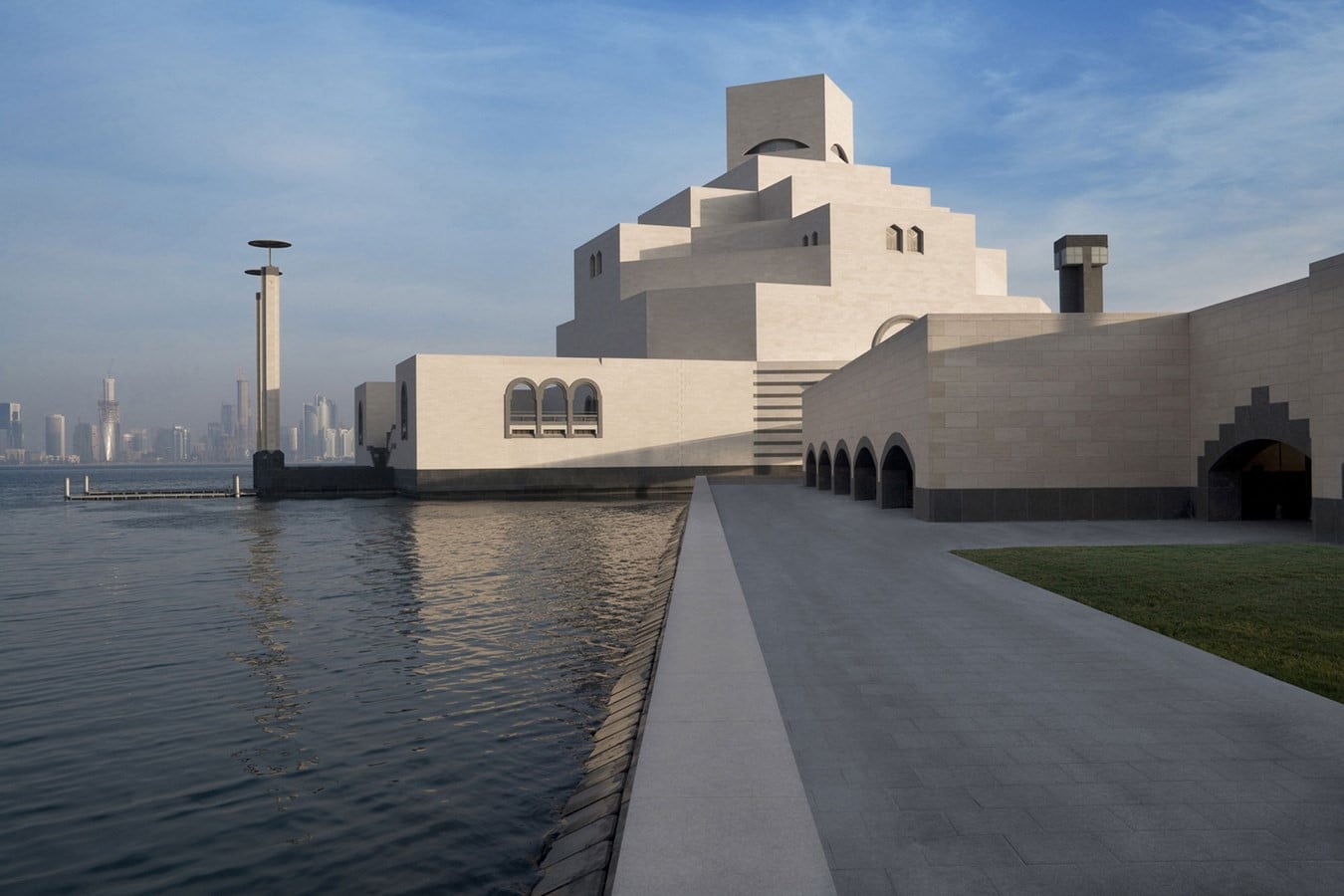
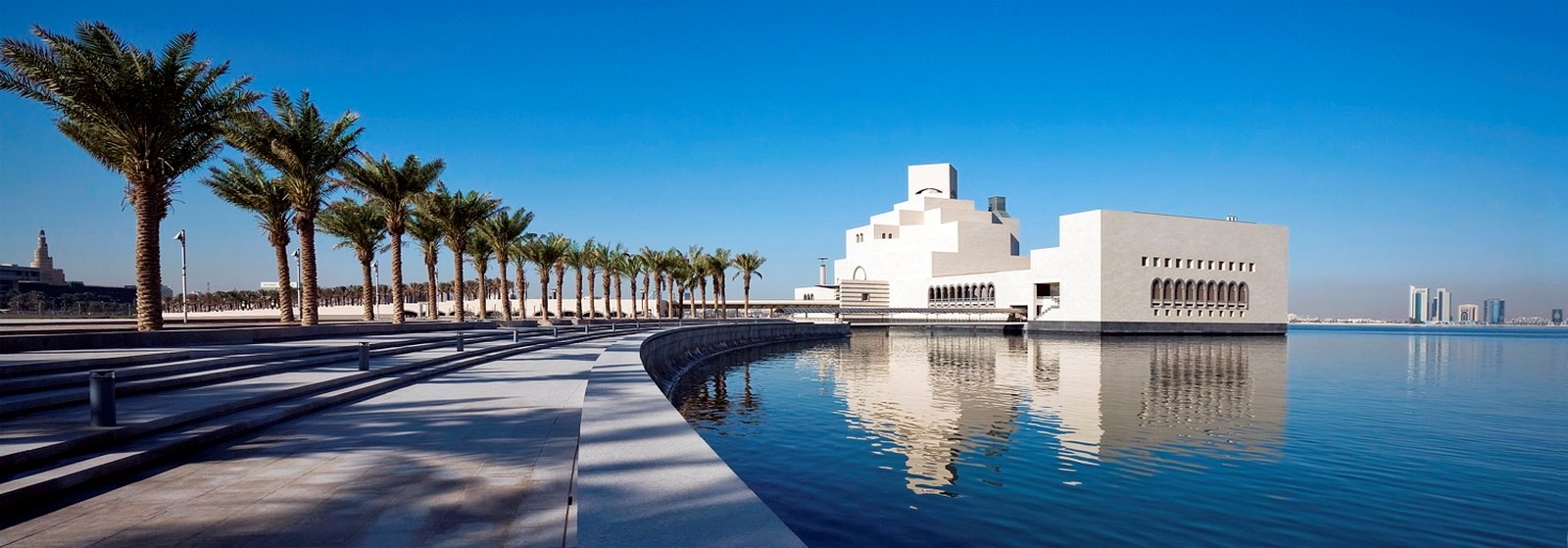
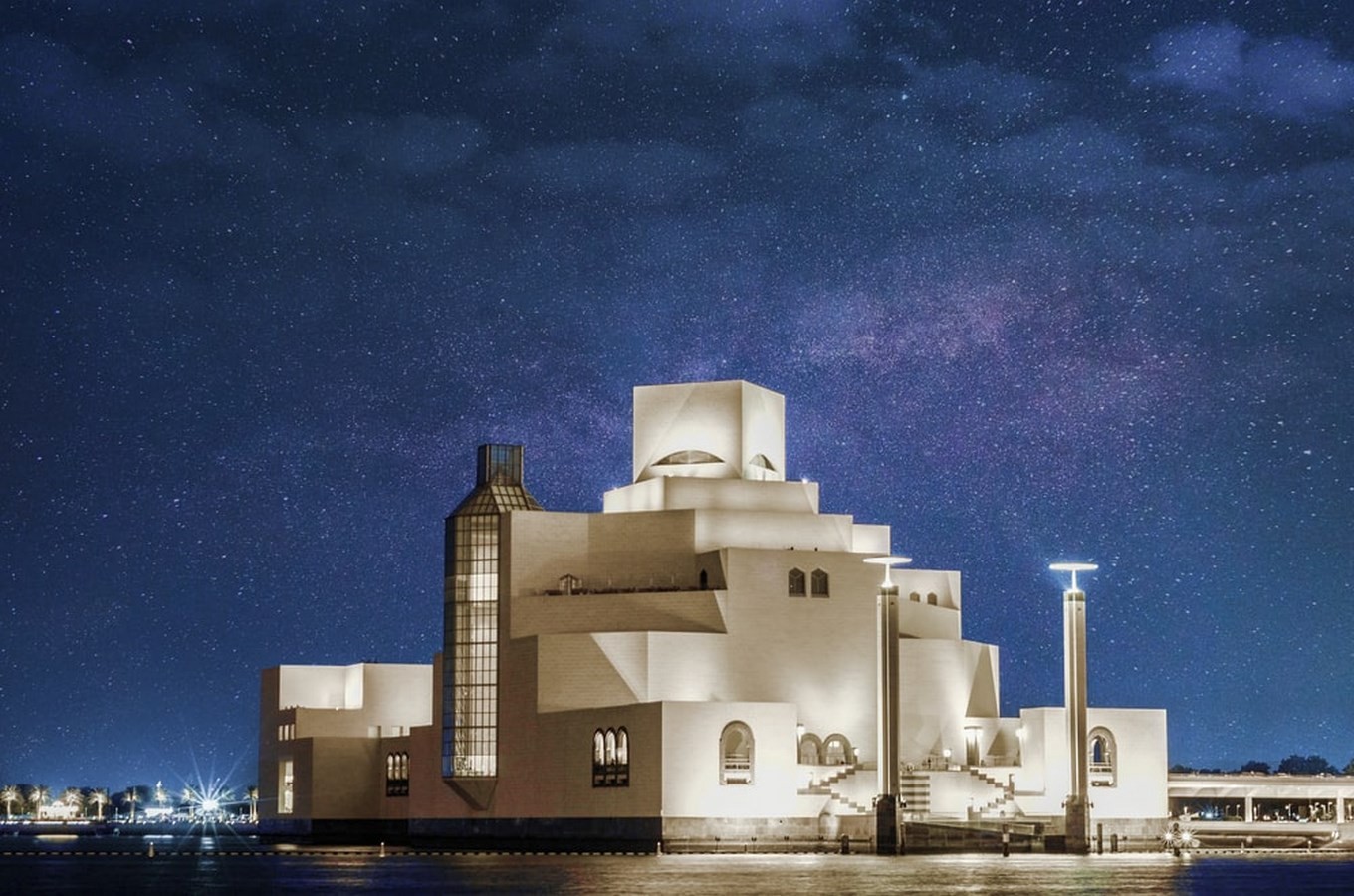
Built-in 2008, this Cultural centre is I.M. Pei’s last major commissioned building. He decided to design this marvellous structure to learn something about a culture he knew nothing about. To construct a structure and give his best, he started is research and studies the biography of Prophet Mohammad. The complex comprises one main building adjacent to an education wing. The design of this structure bears a resemblance to different-sized boxes stacked one above the other. The main building is 5, a floor structure topped with a domed atrium, which is contained by the central tower. Cream-coloured limestone was used, which appeared different as daylight changed. The circular staircase in the centre of the atrium acts like a sculpture connecting the ground and first floor, and right above it hangs a metal chandelier following the movement of the steps. This is one of the most beautiful statues in Pei’s works.
2. Le Grand Louvre, Paris, France
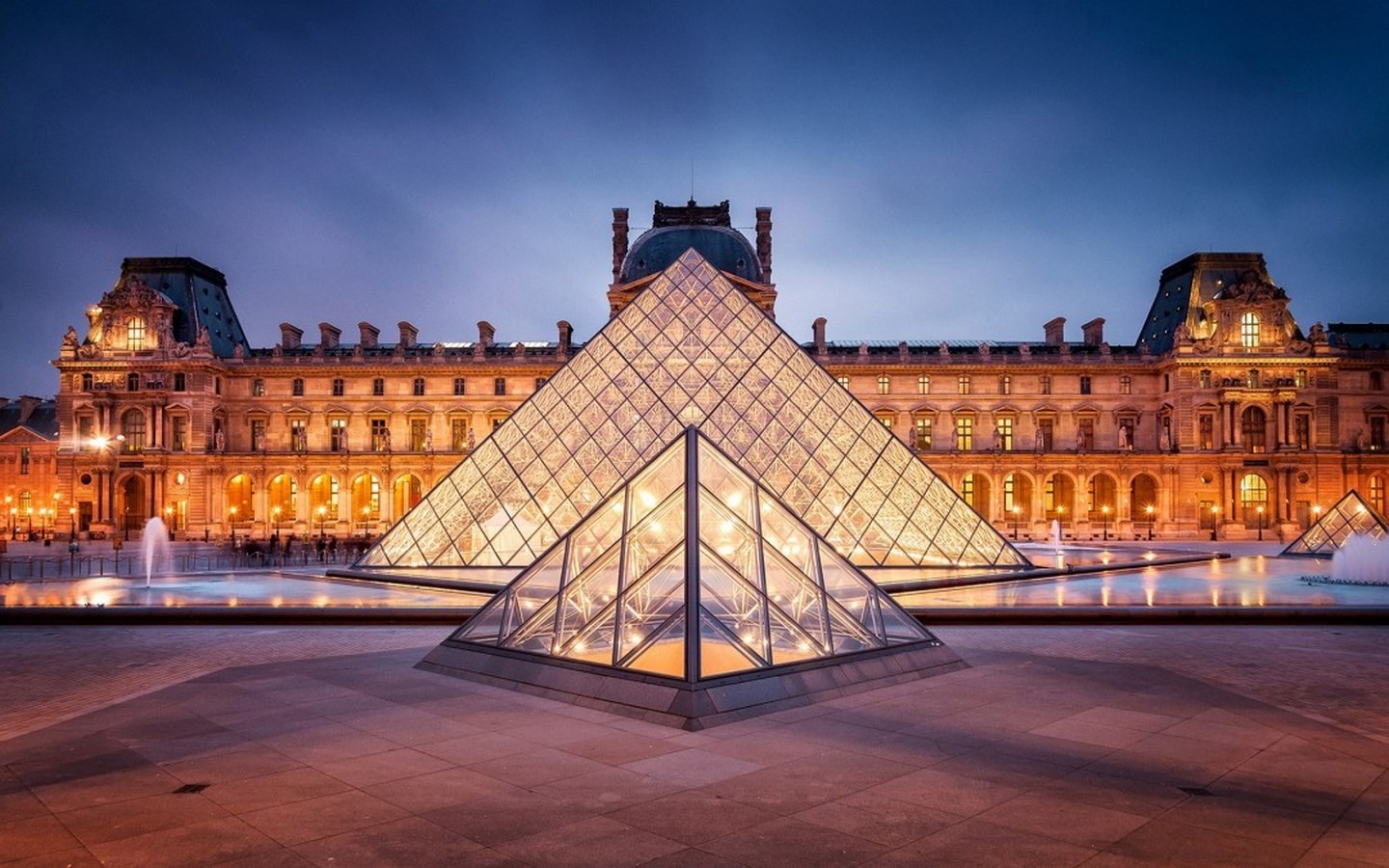
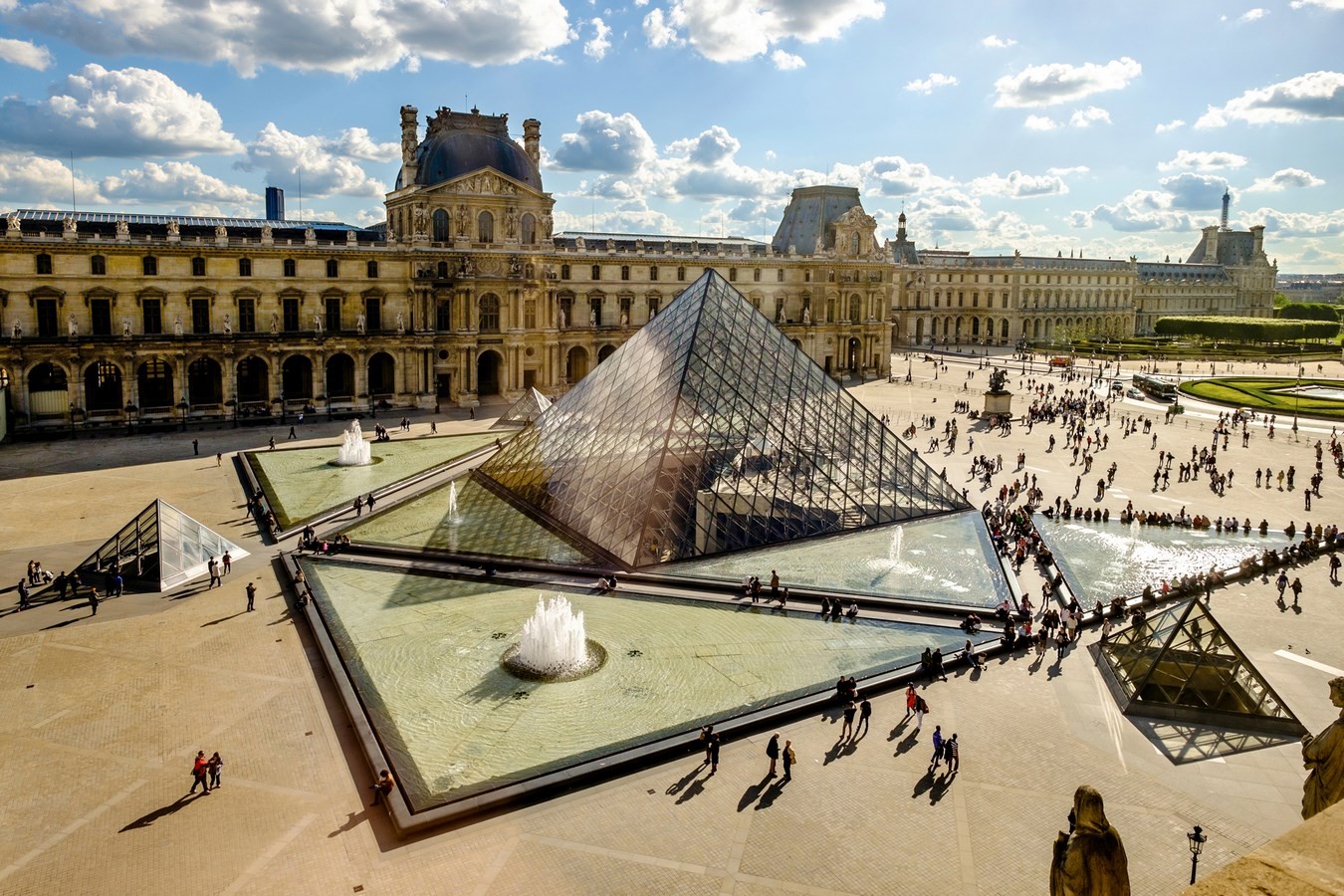
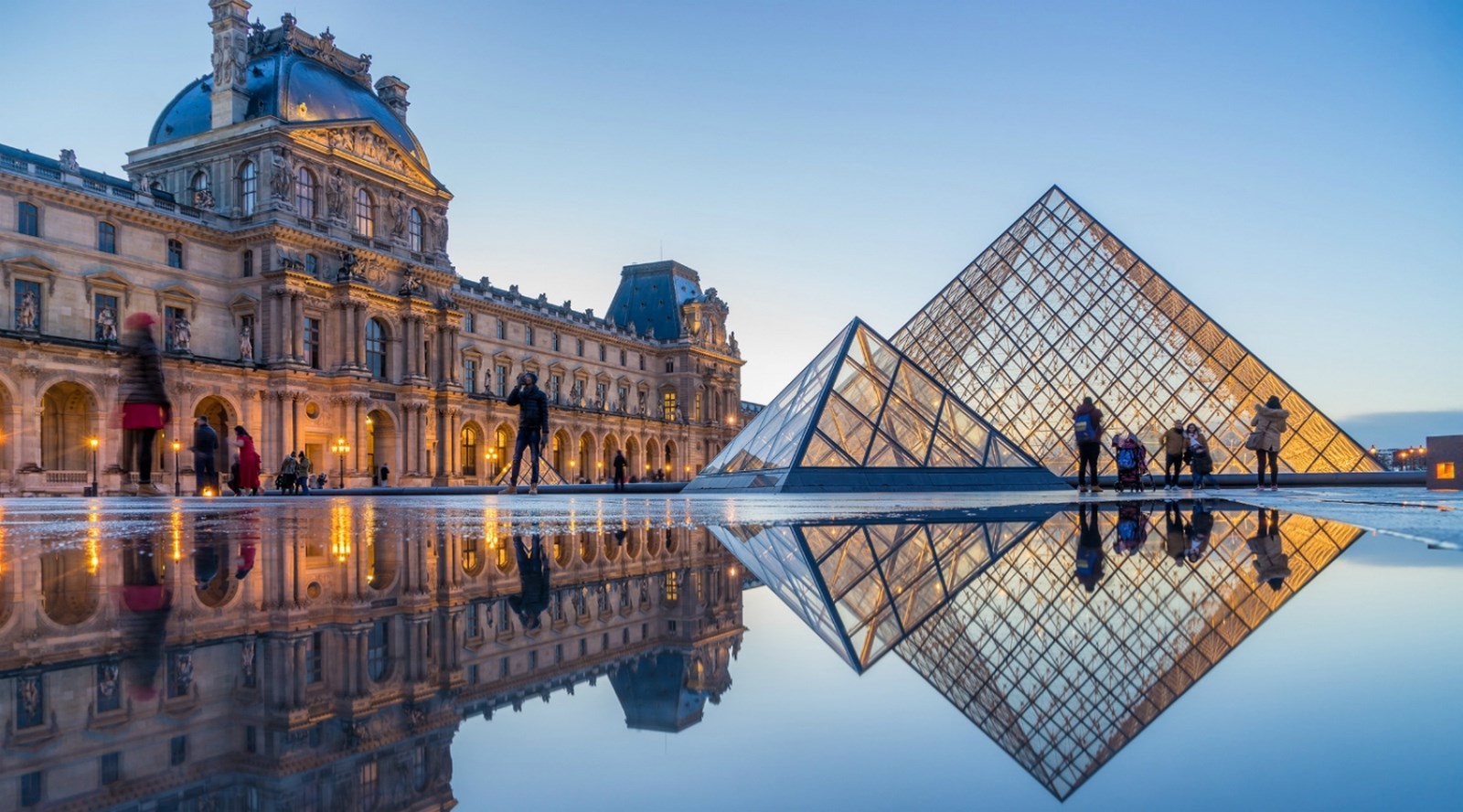
In 1983, I.M. Pei commissioned the renovation work for the famous historical monument of Paris by then-elected President Francois Mitterrand, and it was completed in 1989. This was one of the most prestigious and controversial projects at the same time, as his design of the pyramid was considered to be a symbol of death in Egypt. In addition to this, the design was not in line with the old French Renaissance architecture which brought along a lot of criticism. It was a huge challenge for Pei to add modern design without compromising the details and design of the existing structure. This glass and steel pyramid at the centre of the court provides an entrance lobby connecting to all the wings. It acts as a focal point, enhancing the ambience with diffused lights and complementing the grandeur of the monument.

3. Suzhou Museum, Suzhou, China
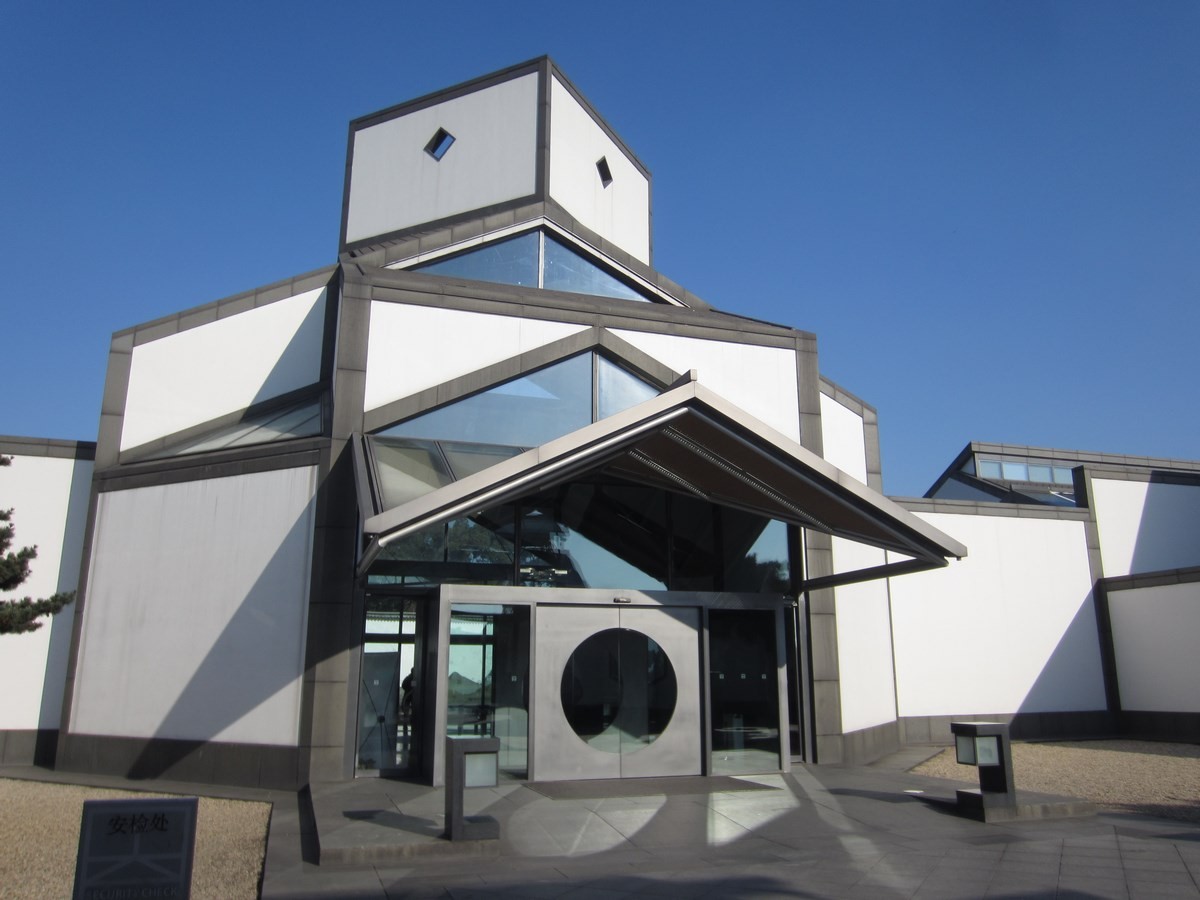
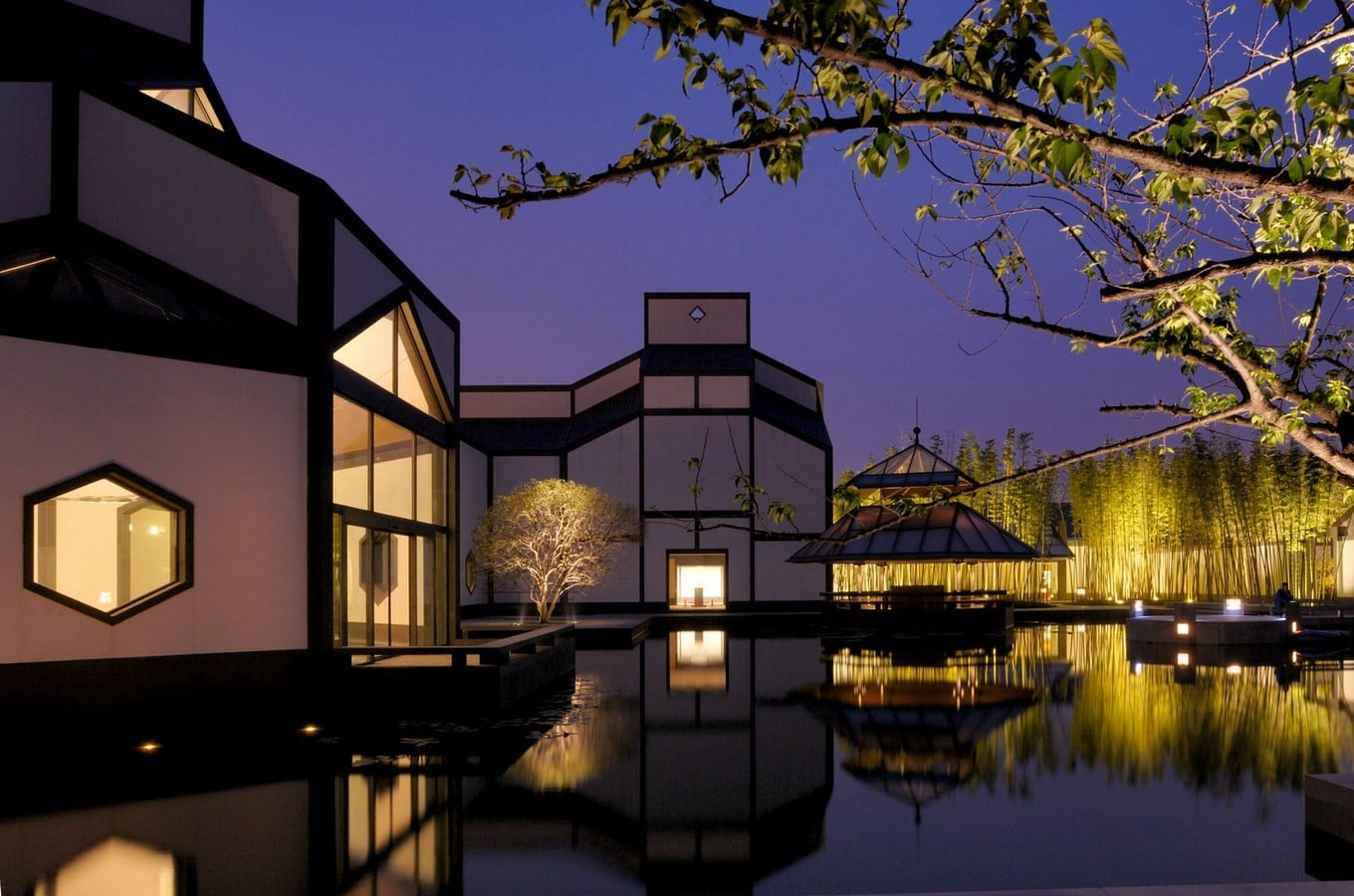
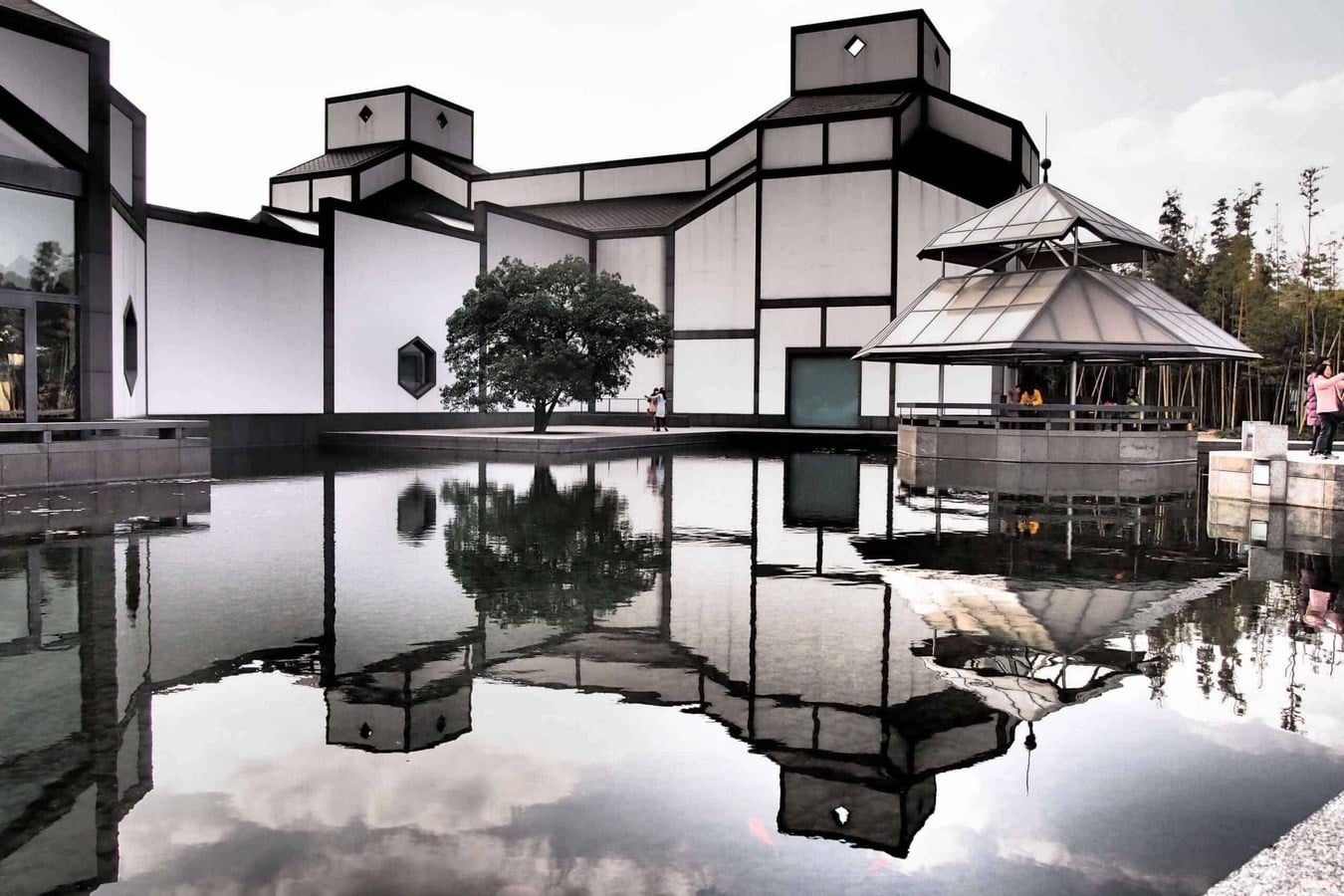
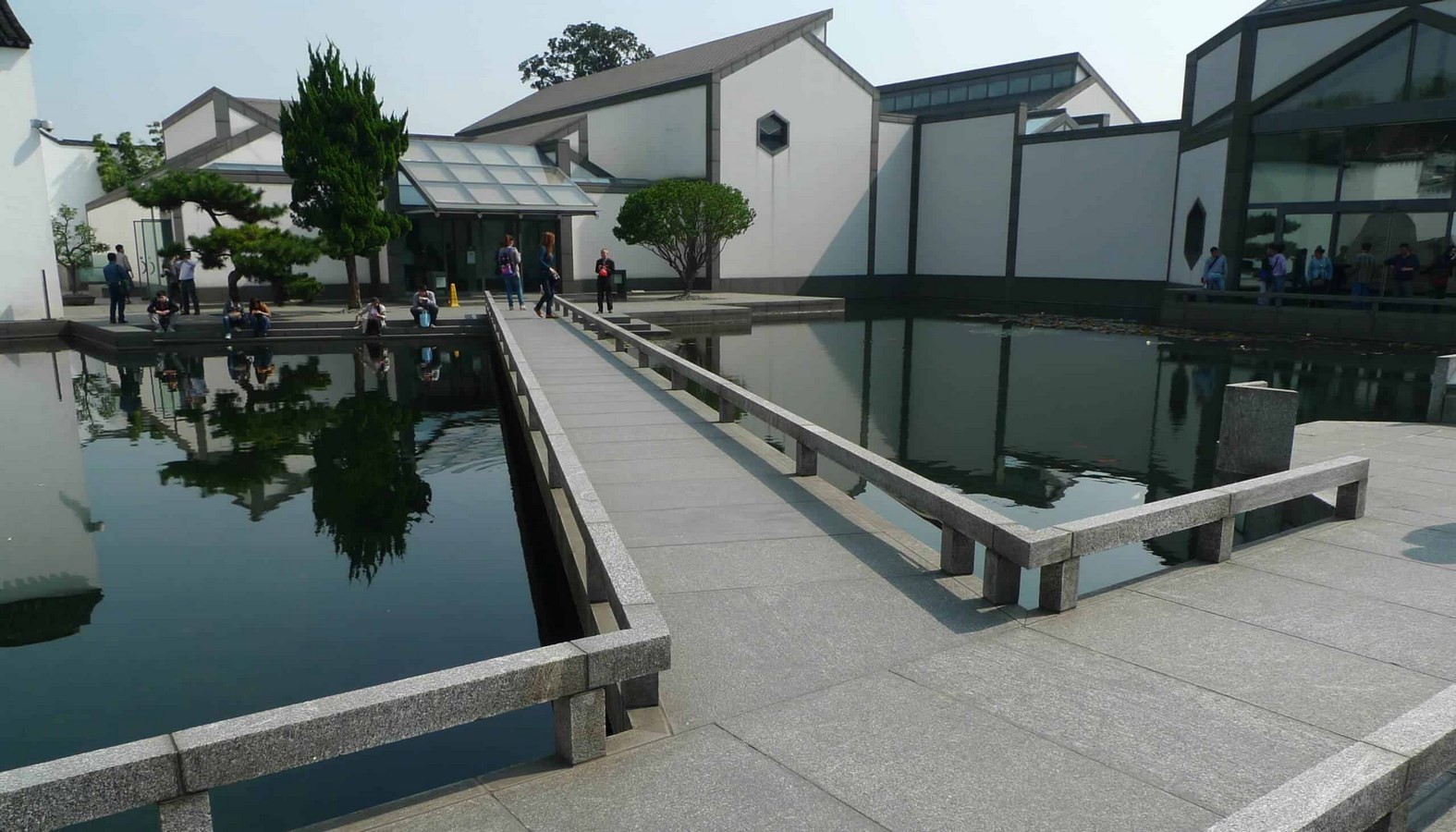
Built-in 1960 in the heart of Suzhou, China, this structure revives the Chinese vernacular style with a tinge of modernism. I.M. Pei fused his design principles with different elements and materials, such as clay tile roof structures, whitewashed plastered walls and Chinese gardens, to get hybrid results. Grey bold lines were used as a contrast on plain white walls to define the geometry of the design. Central axis Symmetry, geometry, Gazebo, Skylights, Height of the structure in context with its overall size, and folded roofs are some of the key features of this project, which created the building representing vernacular architecture with a modern touch.
4. National Centre of Atmospheric Research, Boulder, Colo
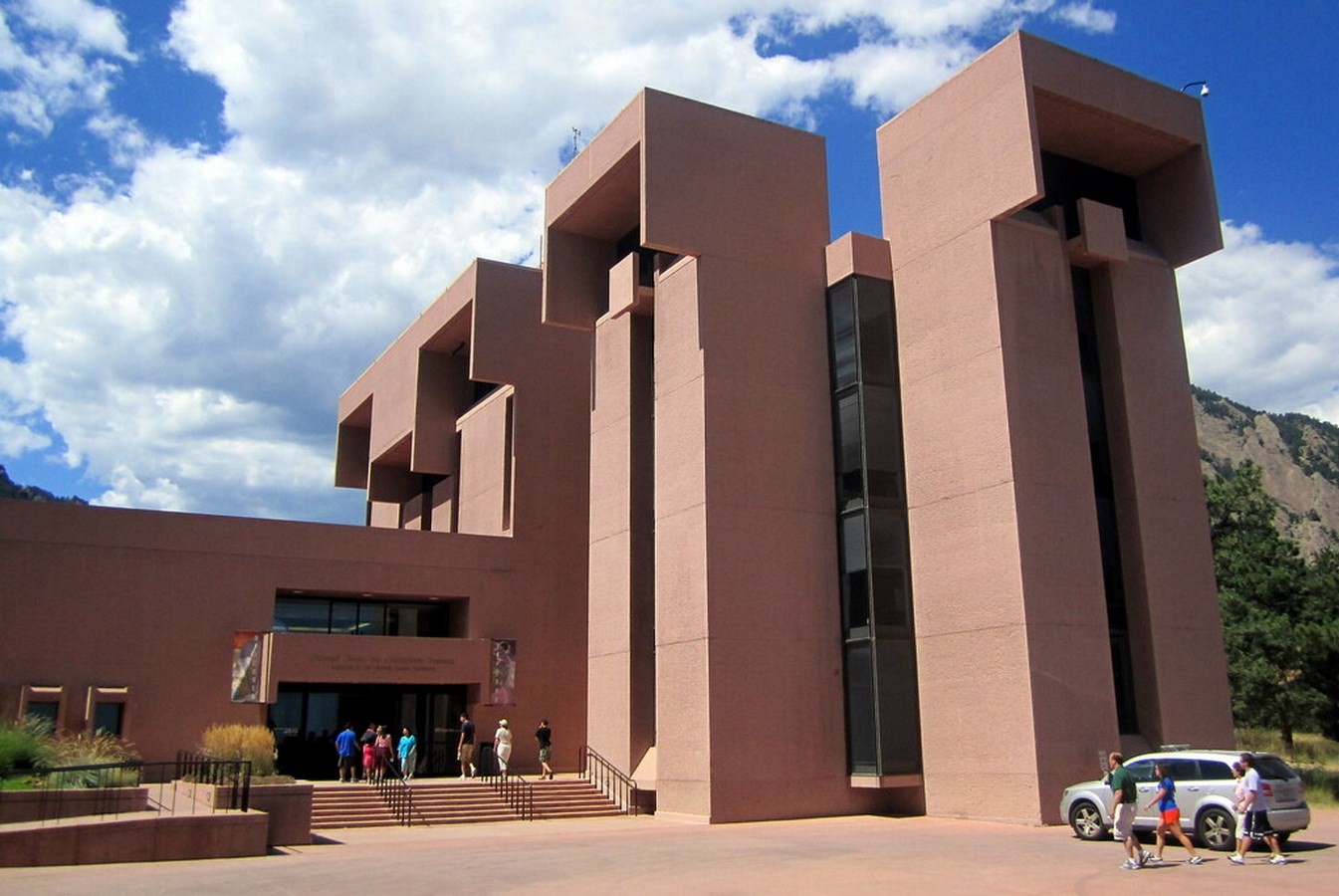
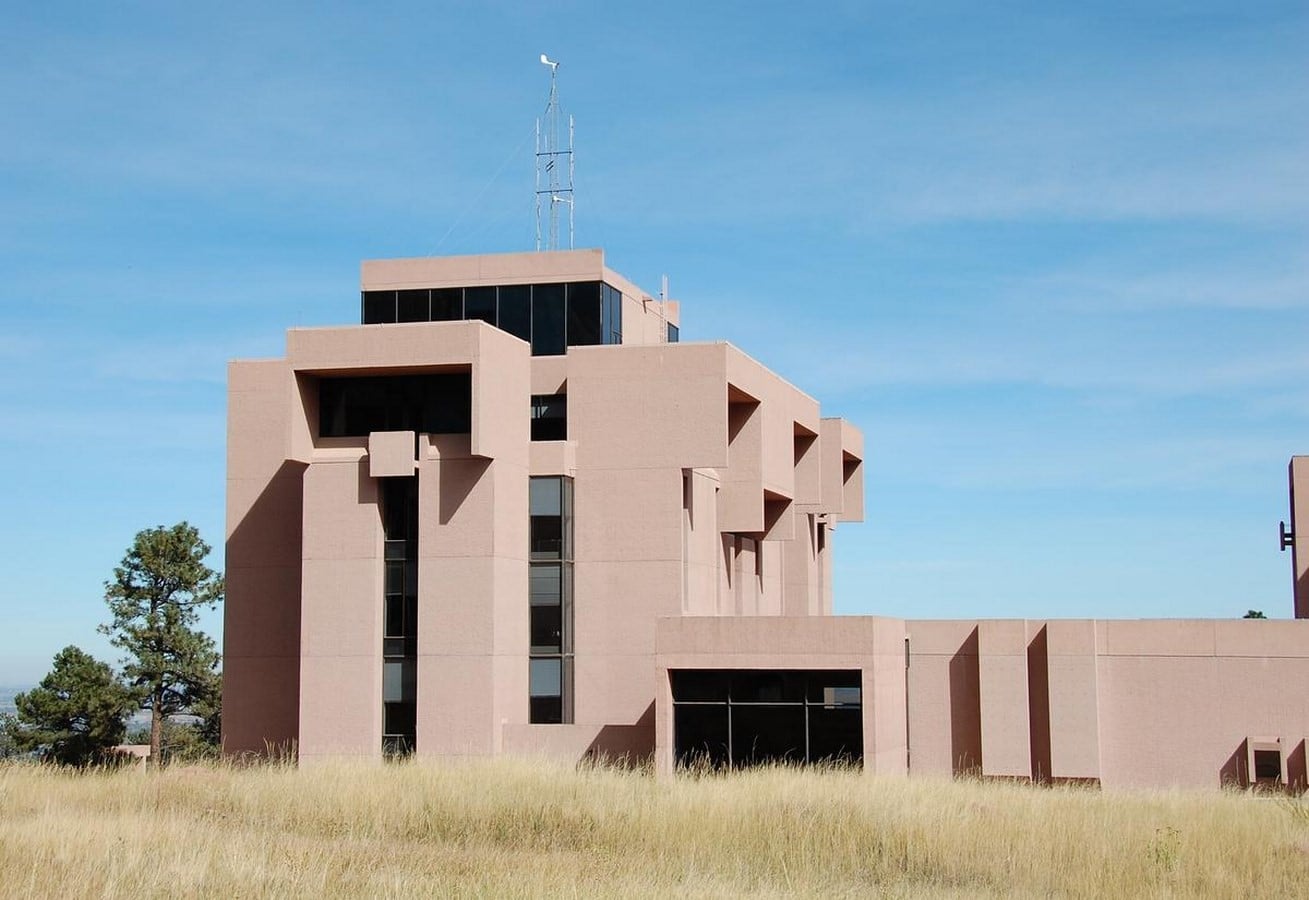
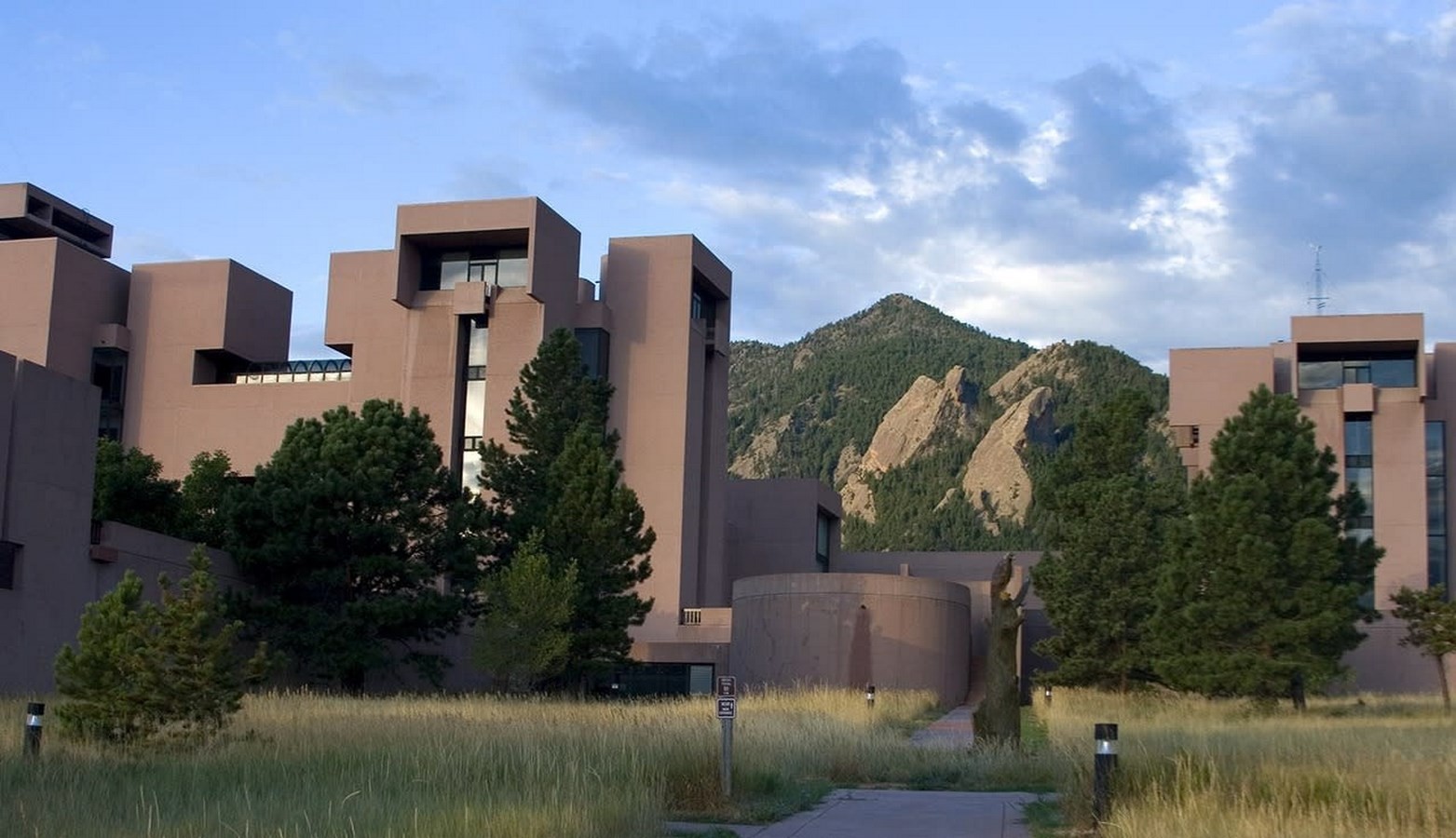
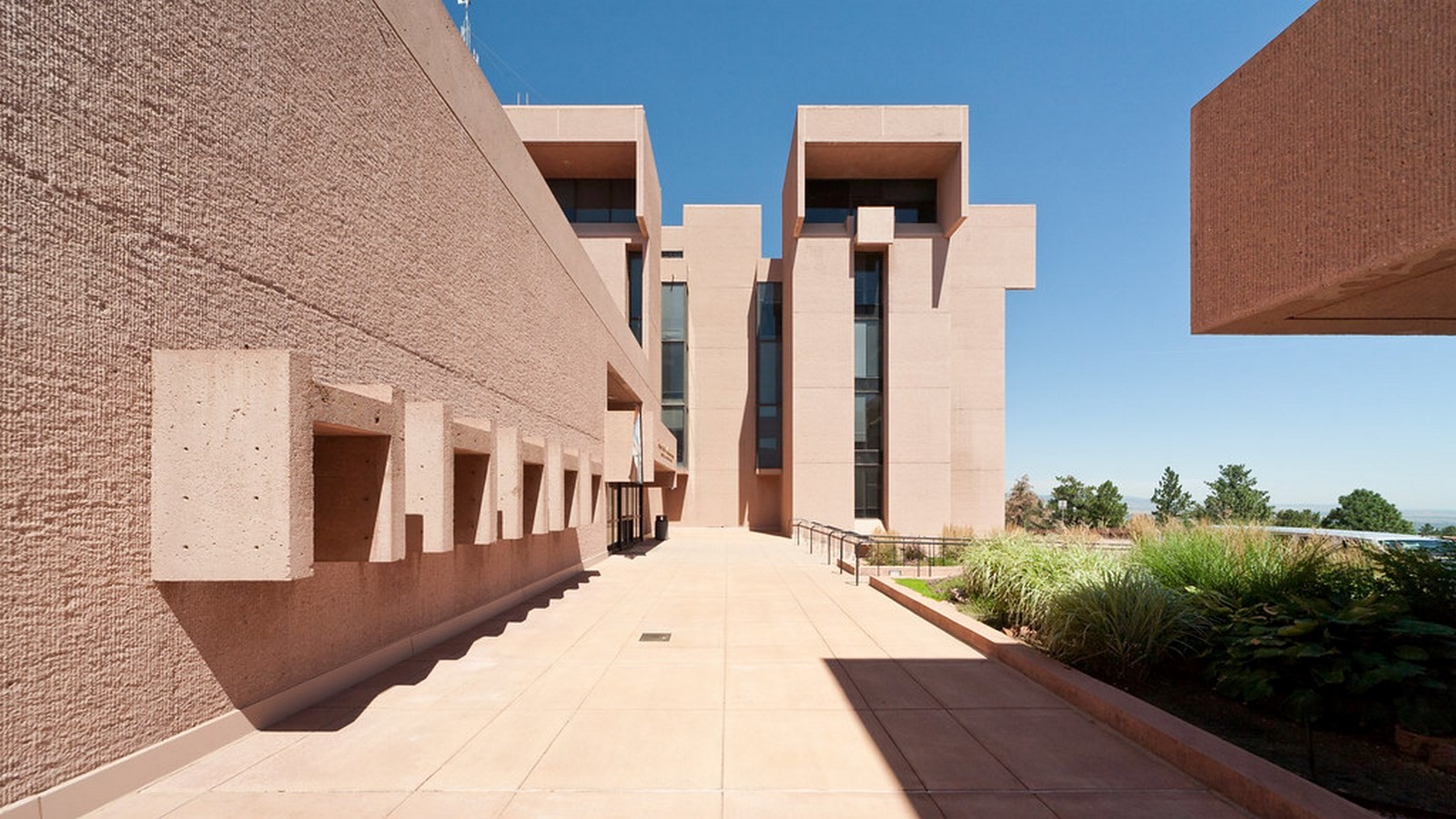
This is one of the major commissioned buildings by Pei in the early years of Pei and Associates. The construction of this building started in the year 1960 and completed in 1966. These tall structures were called crow’s nests by designers. Its simple and bold design was planned according to the climatic conditions and to provide the best views possible from the hilltop. Inspired by American Indian dwellings, this structure was built in concrete and stone, overlooking the city with contrasting rocky mountains as a backdrop; it stands still, attracting every visitor and traveler passing by.
5. Luce Memorial Chapel, Taichung, Taiwan | I.M. Pei
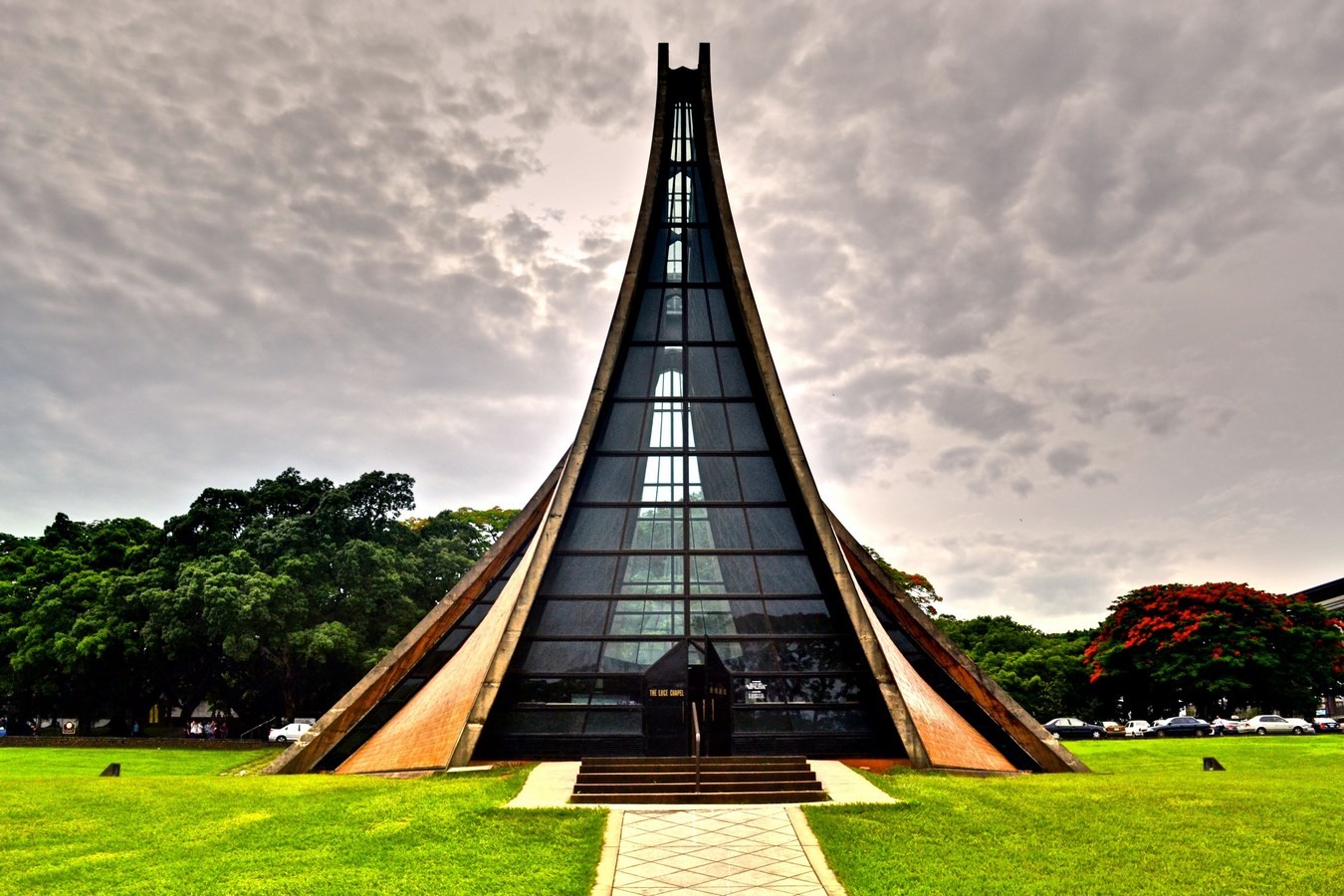
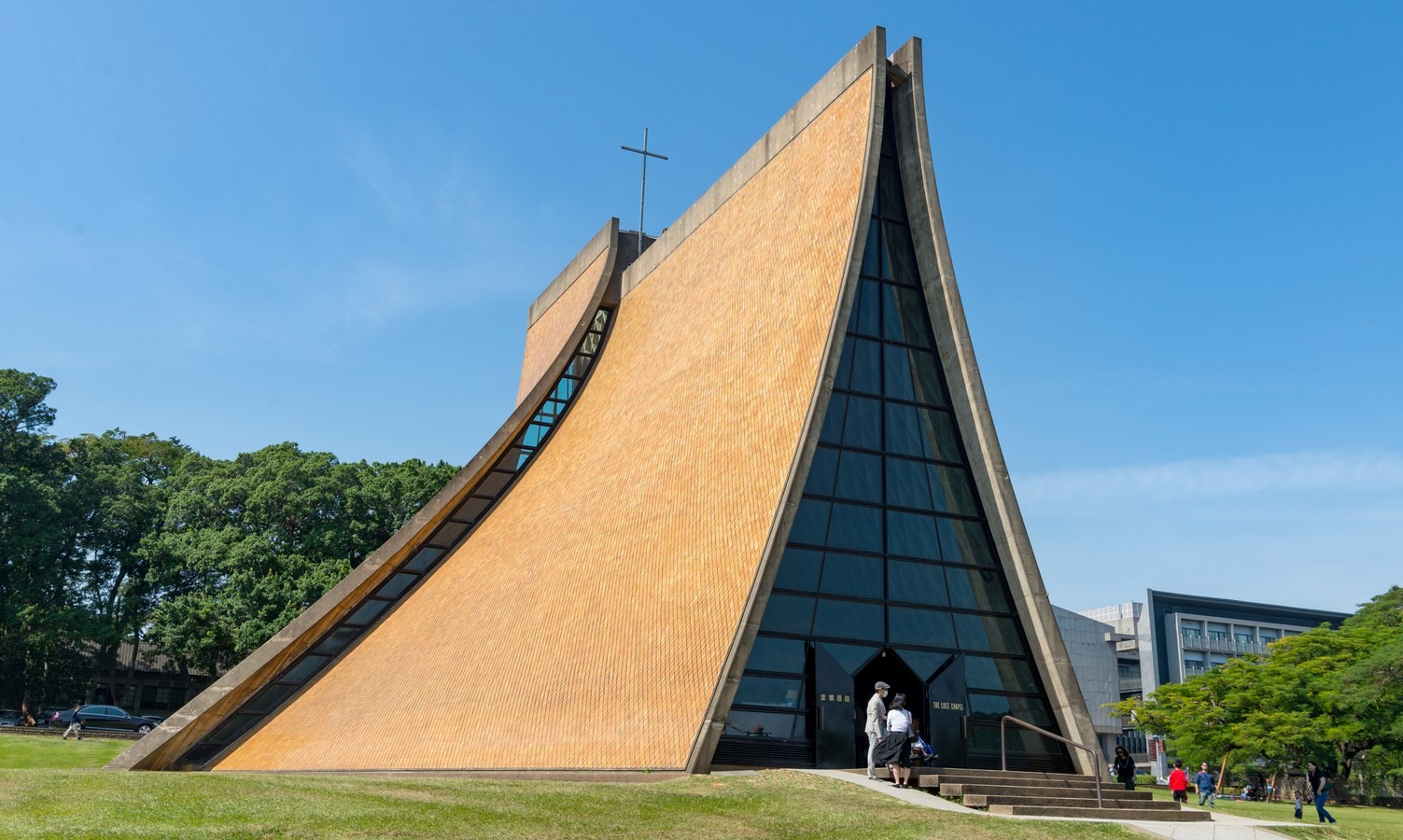
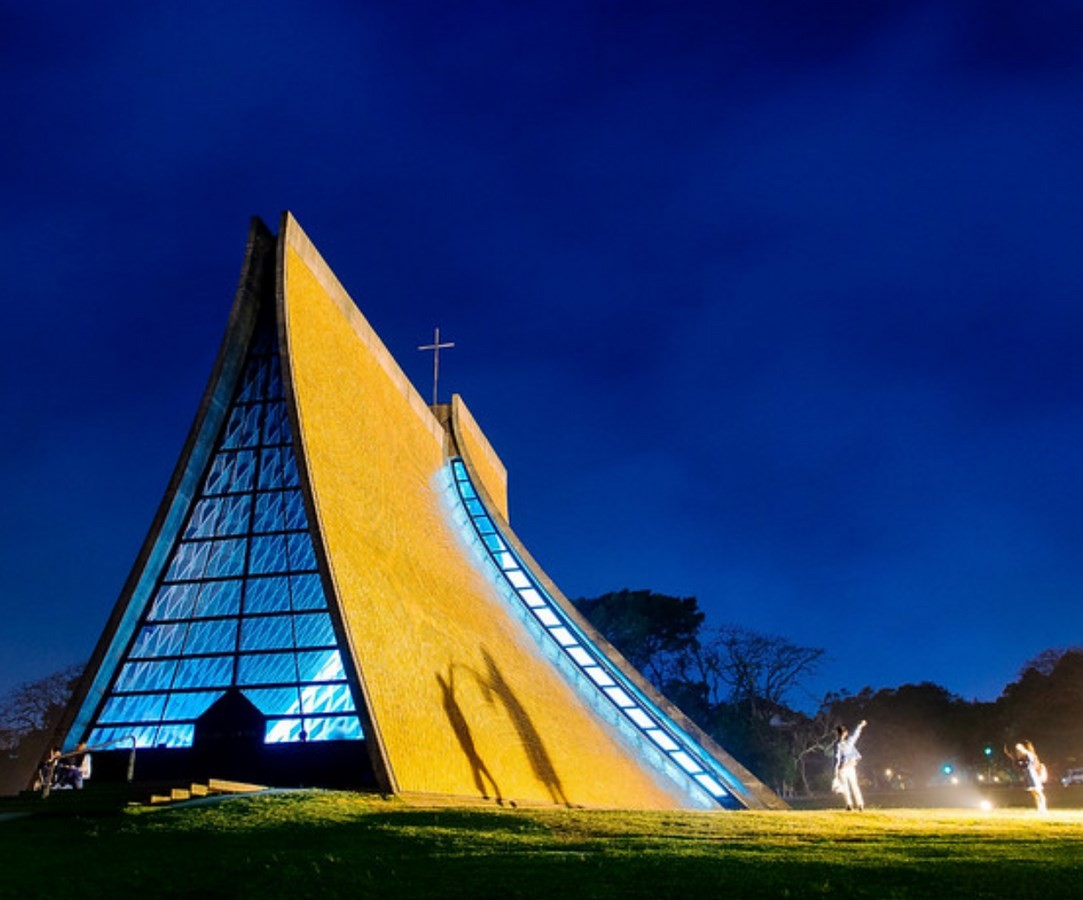
In 1963, this chapel was added to Tunghai University, Taichung, Taiwan. It was designed by renowned architect I.M. Pei in collaboration with an artist and architect, Chen Chi-Kwan. The site area of the Chapel is 12000 sqm with a floor area of 477 sqm and 500 seats. Keeping the environmental aspects as the top priority, the chapel was constructed in reinforced concrete to provide stability and durability from typhoons and earthquakes. This iconic structure shows the dynamics of geometry and marvel of climate-responsive design.
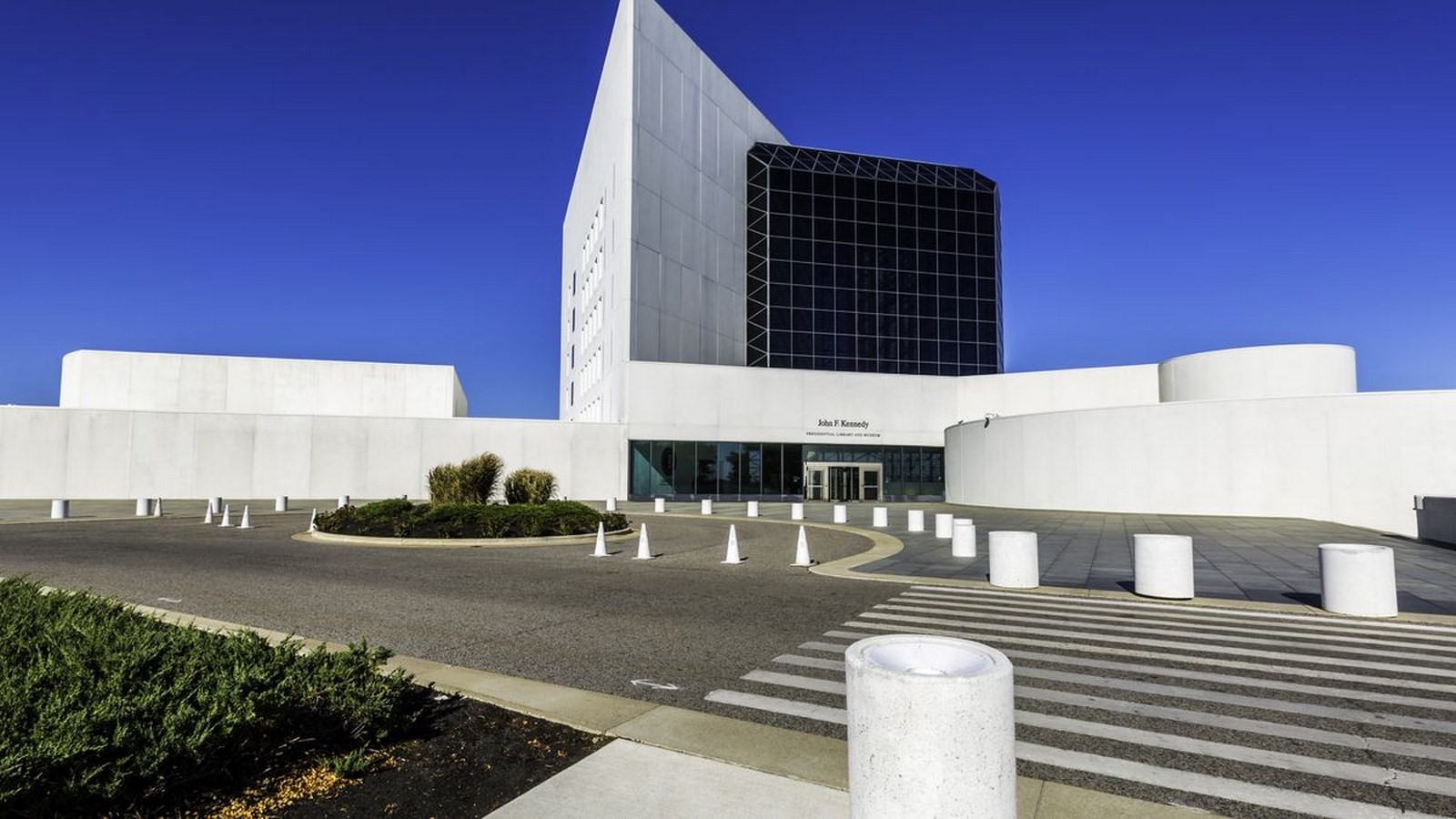
6. John F. Kennedy Presidential Library and Museum, Boston
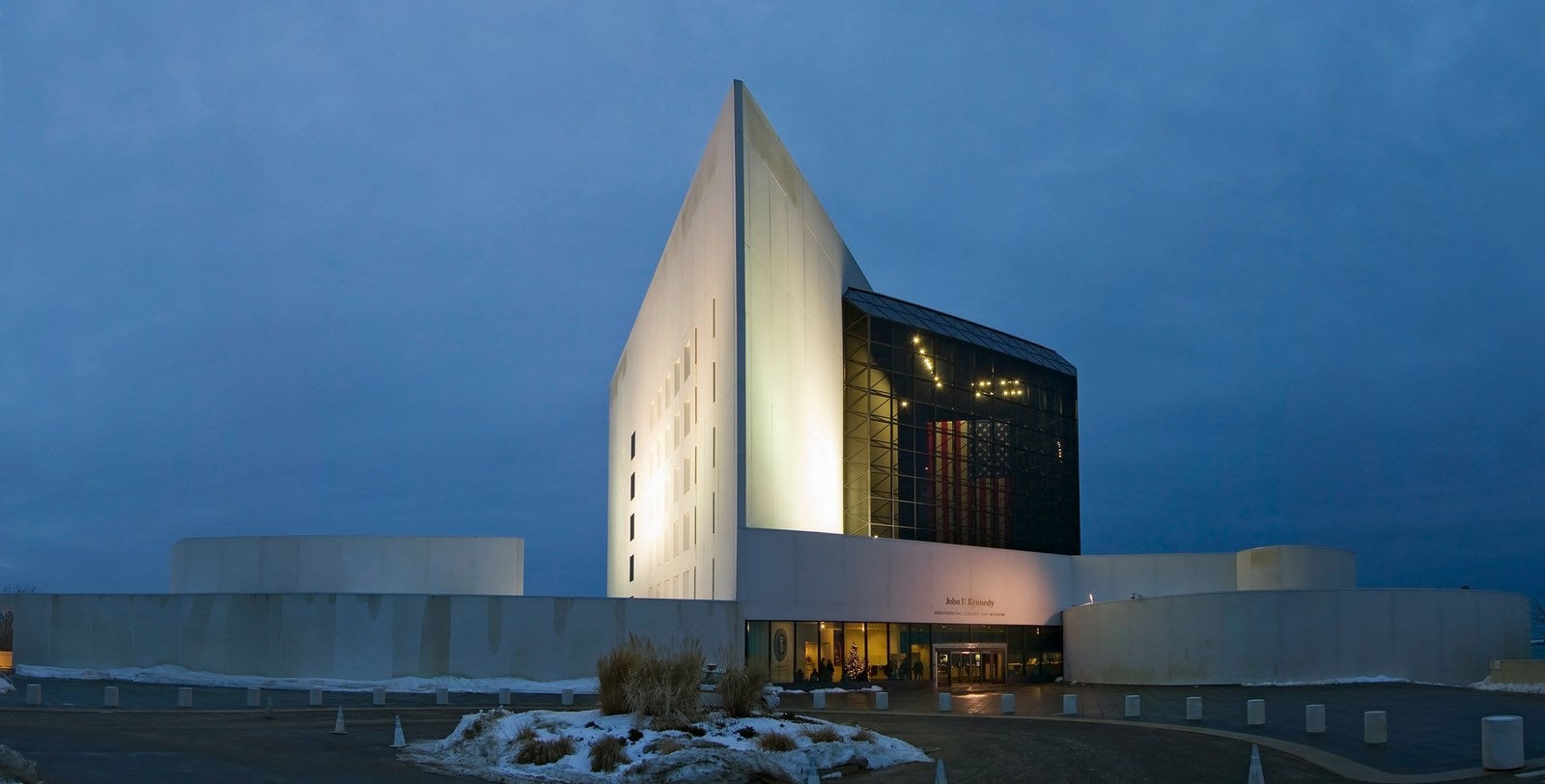
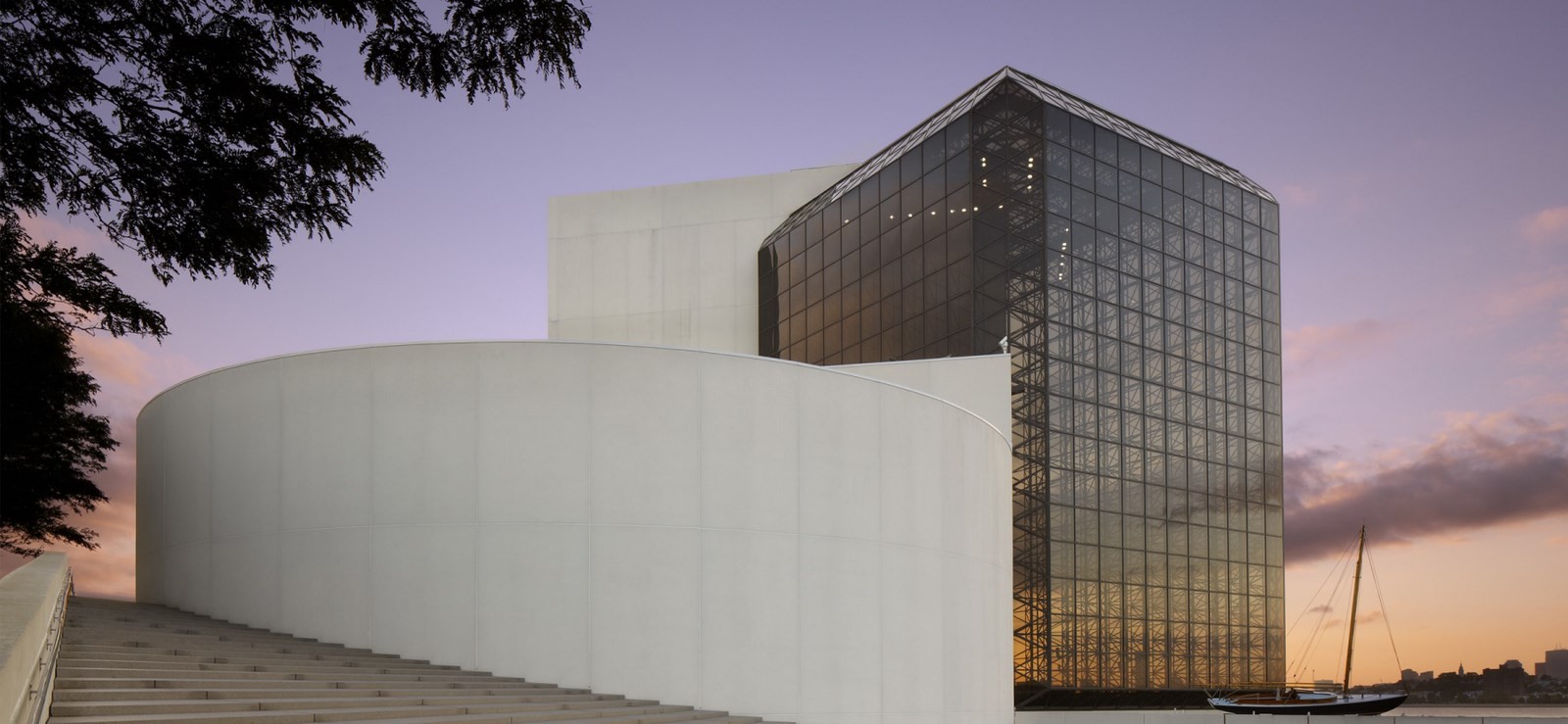
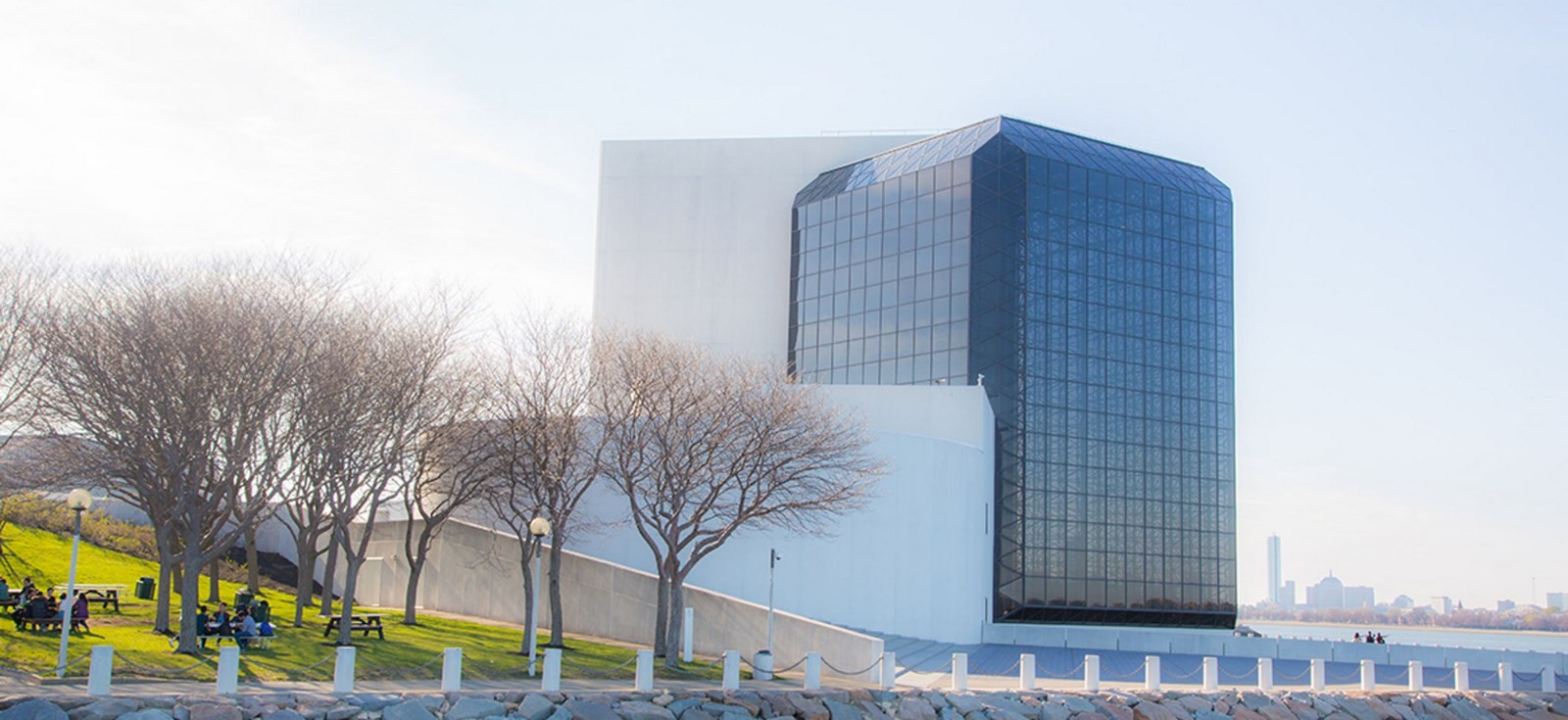
This building was designed as a tribute to former president John F. Kennedy on a 10-acre Park. It overlooks the sea on one side and the whole city of Boston on the other. I.M. Pei designed it by splitting the design according to the different functions, segregating the major private space on upper levels, and keeping public spaces on the ground level and a level below. Geometric shapes, being Pei’s major principle, were used to incorporate maximum natural light in the building. This concrete, glass, and steel structure became the most famous and stunning structure, expressing Kennedy’s love for the sea and beach while keeping its aesthetics and functions intact.
7. Everson Museum of Art, Syracuse, N.Y. | I.M. Pei
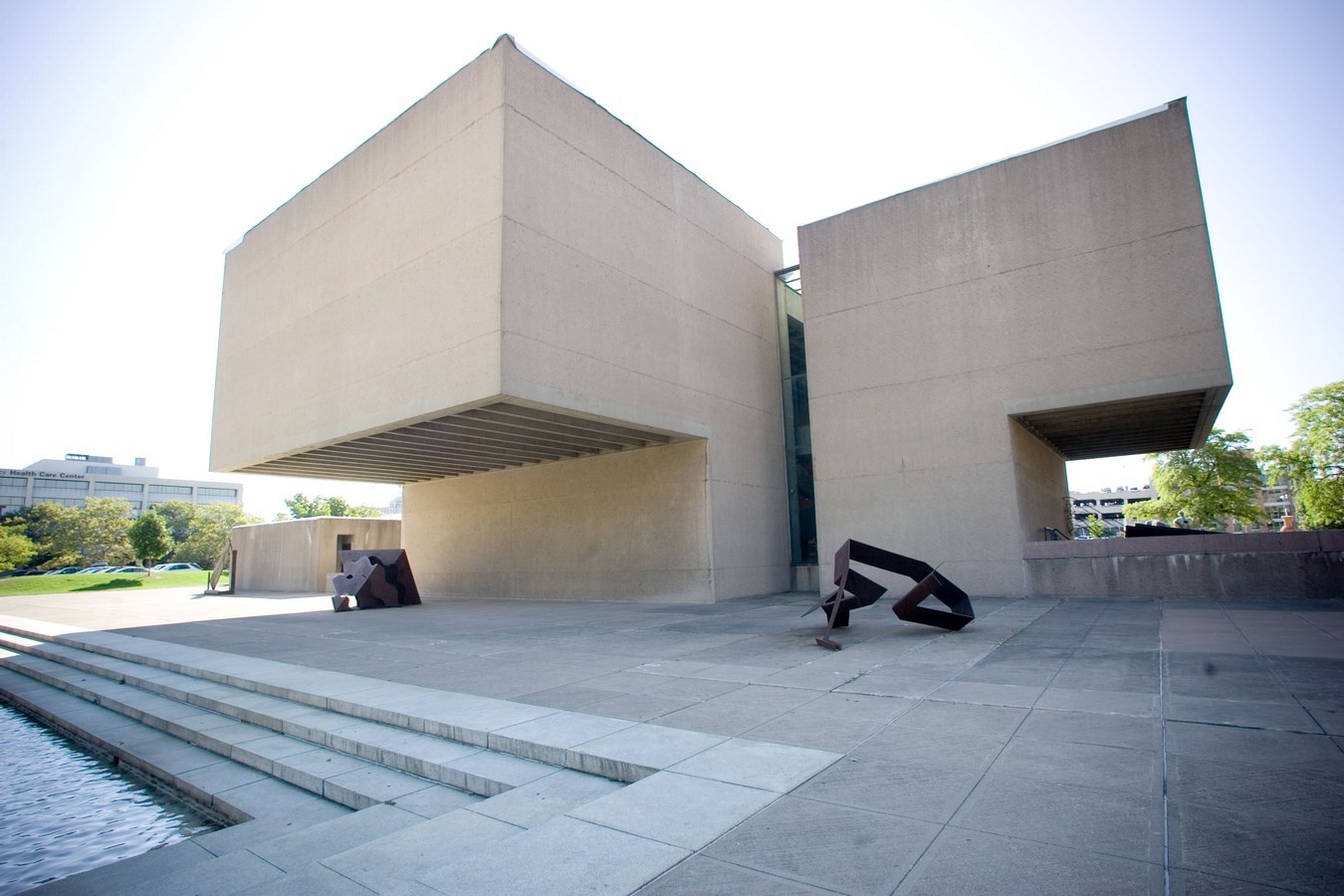
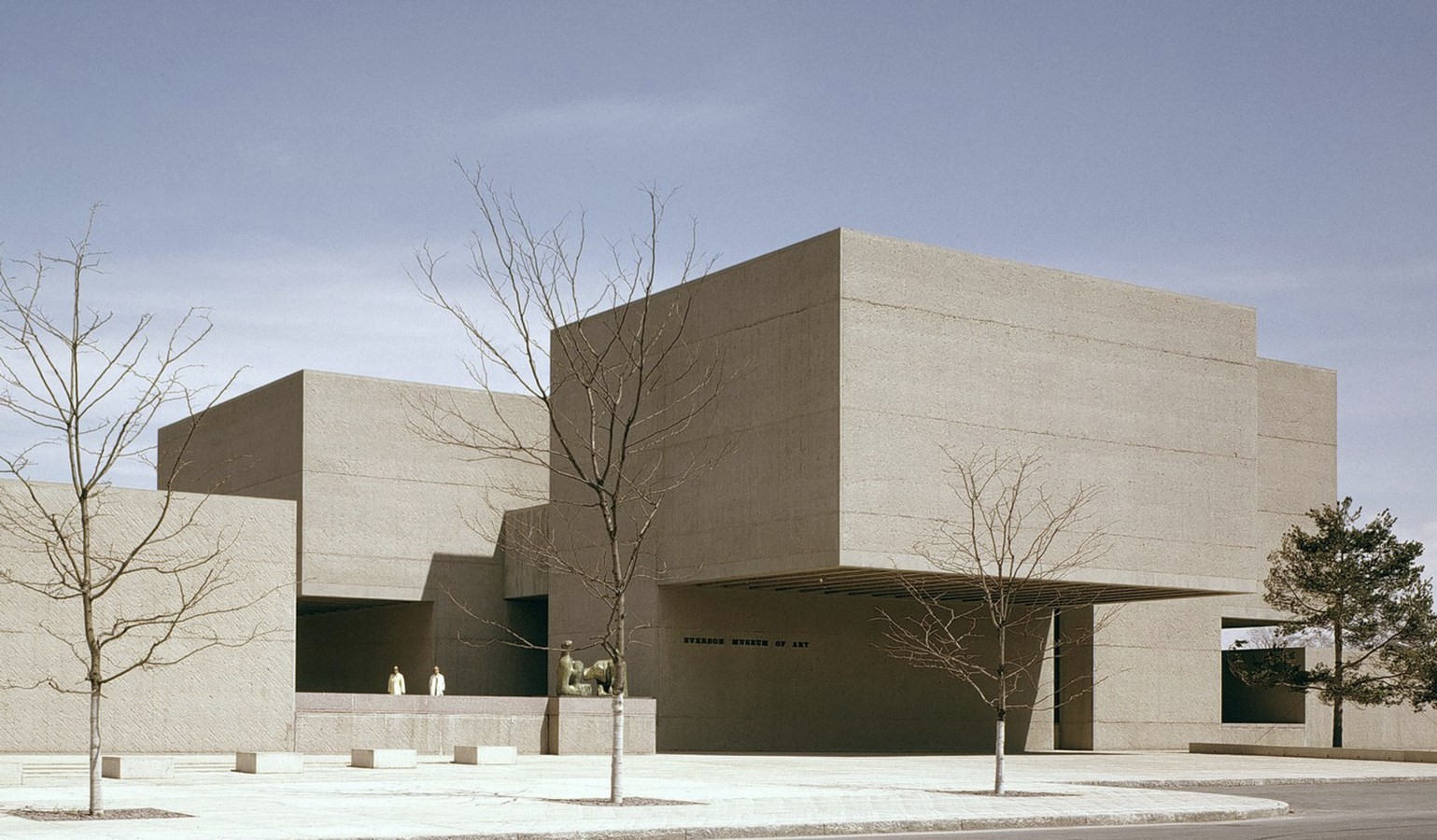
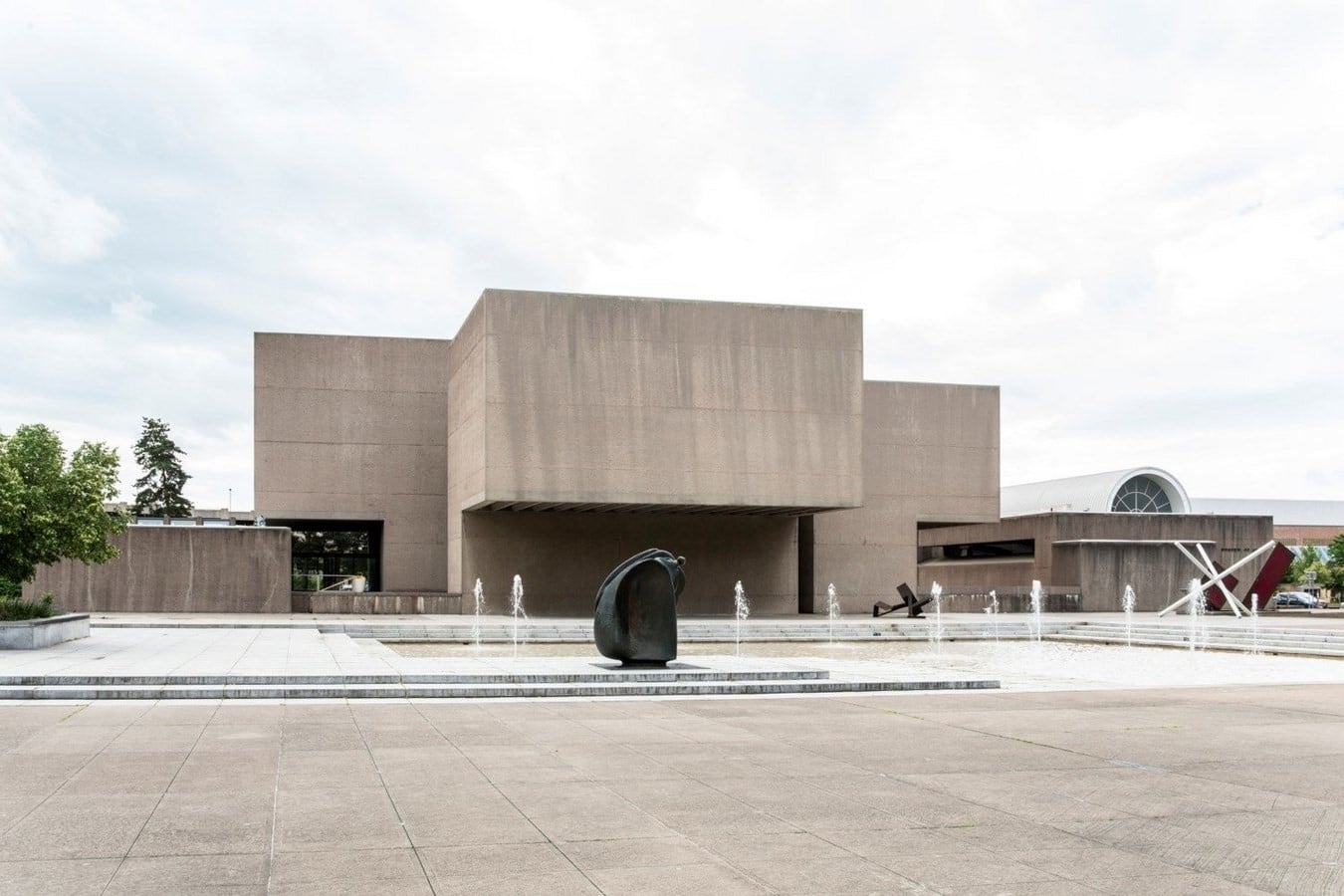
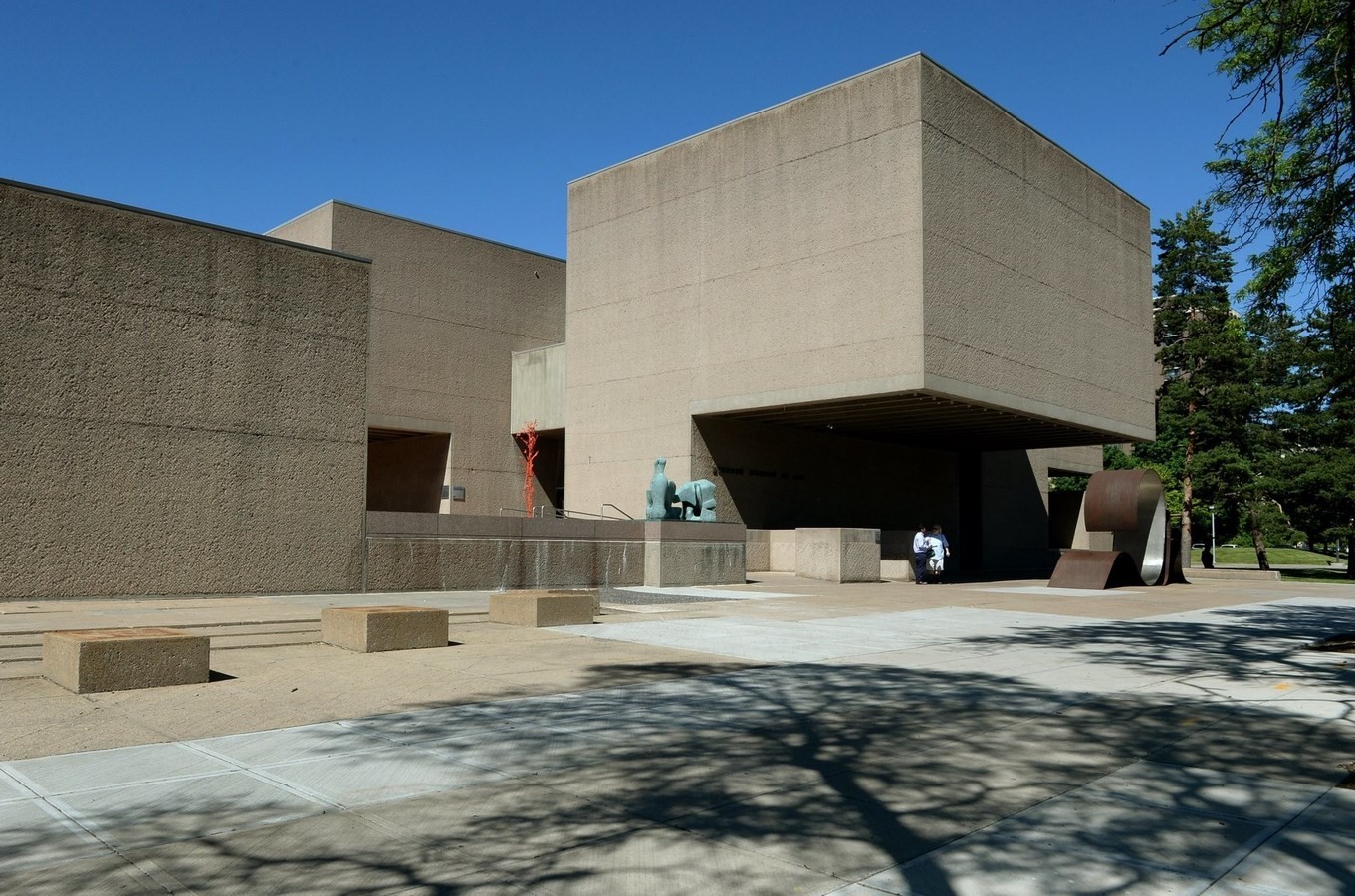
It was constructed to inhabit the arts and artefacts, majorly ceramics, in America in 1968. Pei, known for his bold, geometric designs, planned this building as a sculpture on a podium that all four sides can access. The entry to the building is bluffed; he provided an entrance for the visitors and natural light between the independent blocks. These concrete blocks were finished in striated chisels to resemble a large sculpture, interconnected by bridges on the 2nd floor. All the galleries differ in volume, size, and height, with a cantilevered second story creating gallant expression.
8. Bank of China, Hong Kong
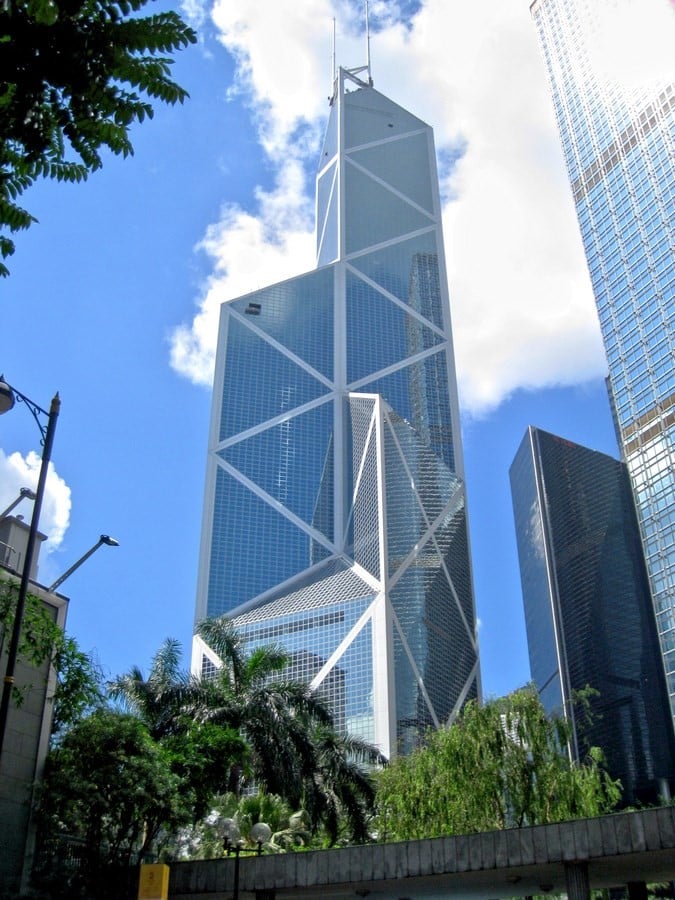
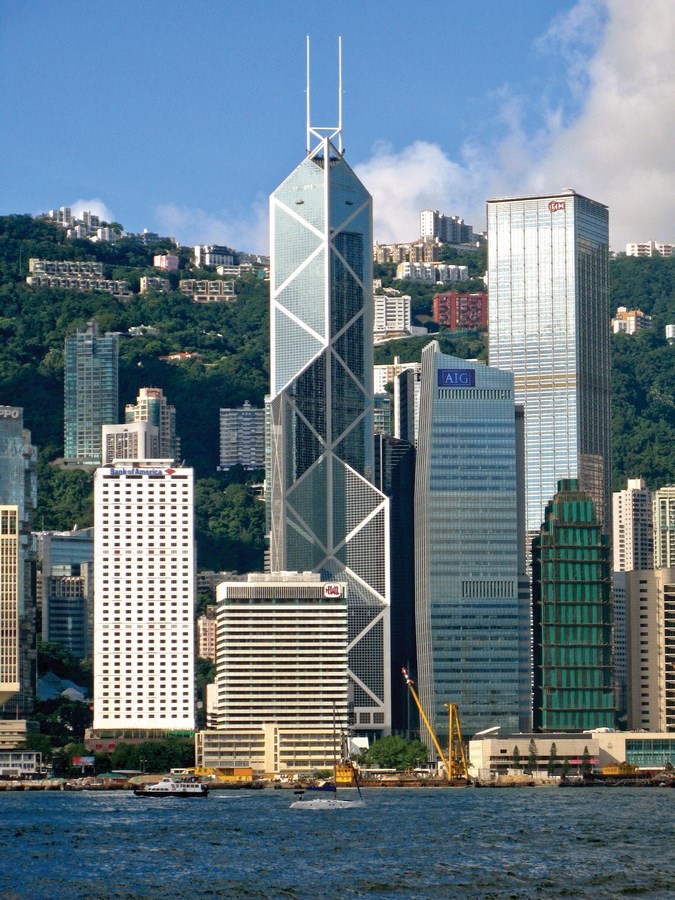
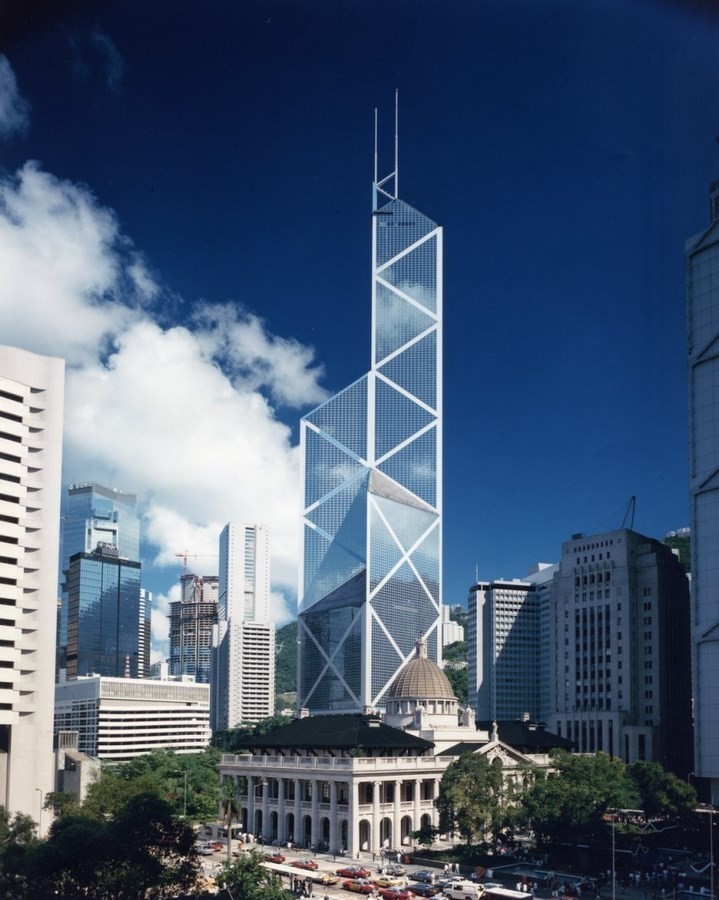
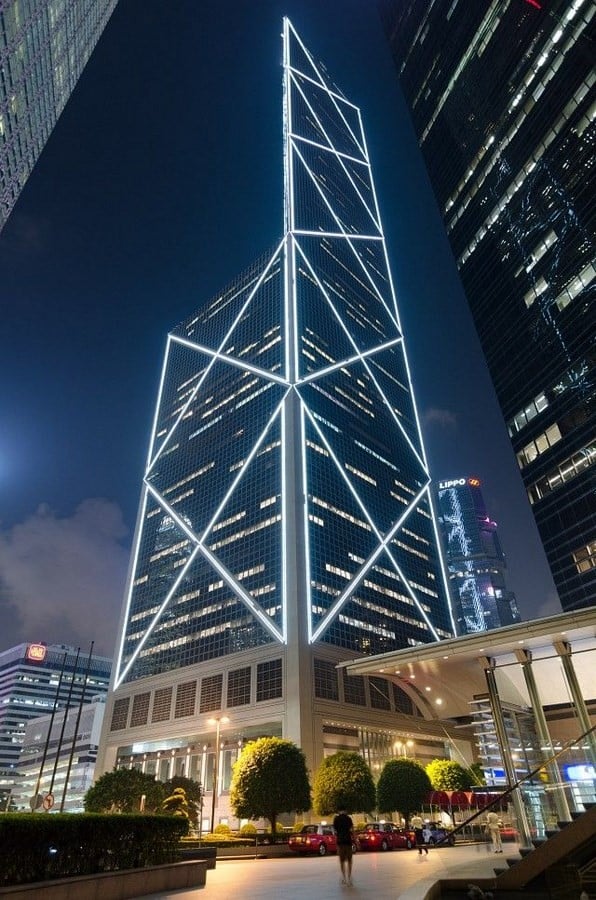
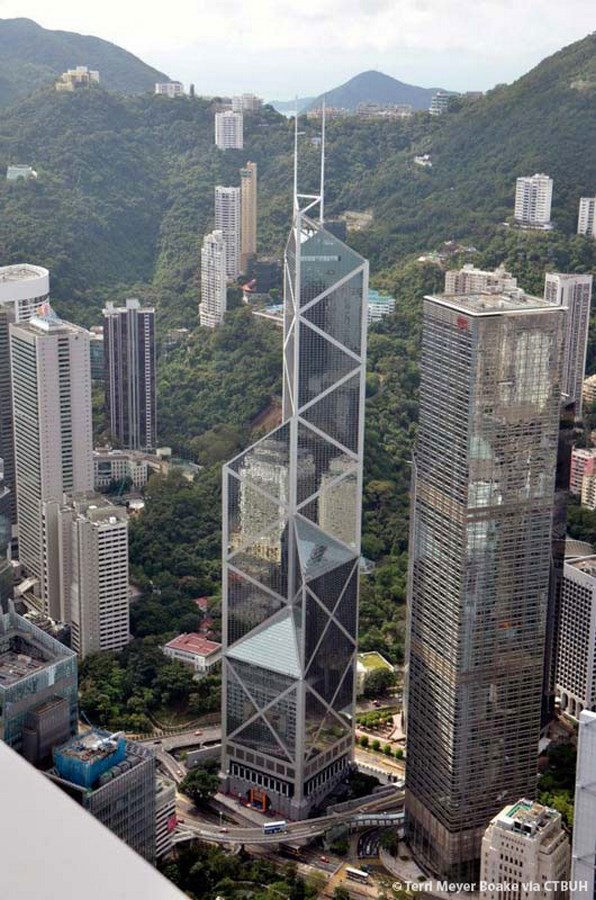
Standing on an intricate island in a typhoon-prone area, it is Hong Kong’s tallest building, adding a vertical milestone to the skyline. It is 70 70-story tall, and the asymmetrical glass and steel structure designed by I.M. Pei meets the expectations of the client and the cityscape. This building comprises four vertical shafts, which help in resisting high-velocity winds and reduce internal supports. As a result, it saves steel quantity. This design was inspired by the growth pattern of bamboo, symbolizing hope and revitalization according to Chinese culture.
9. Dallas City Hall, Dallas, USA
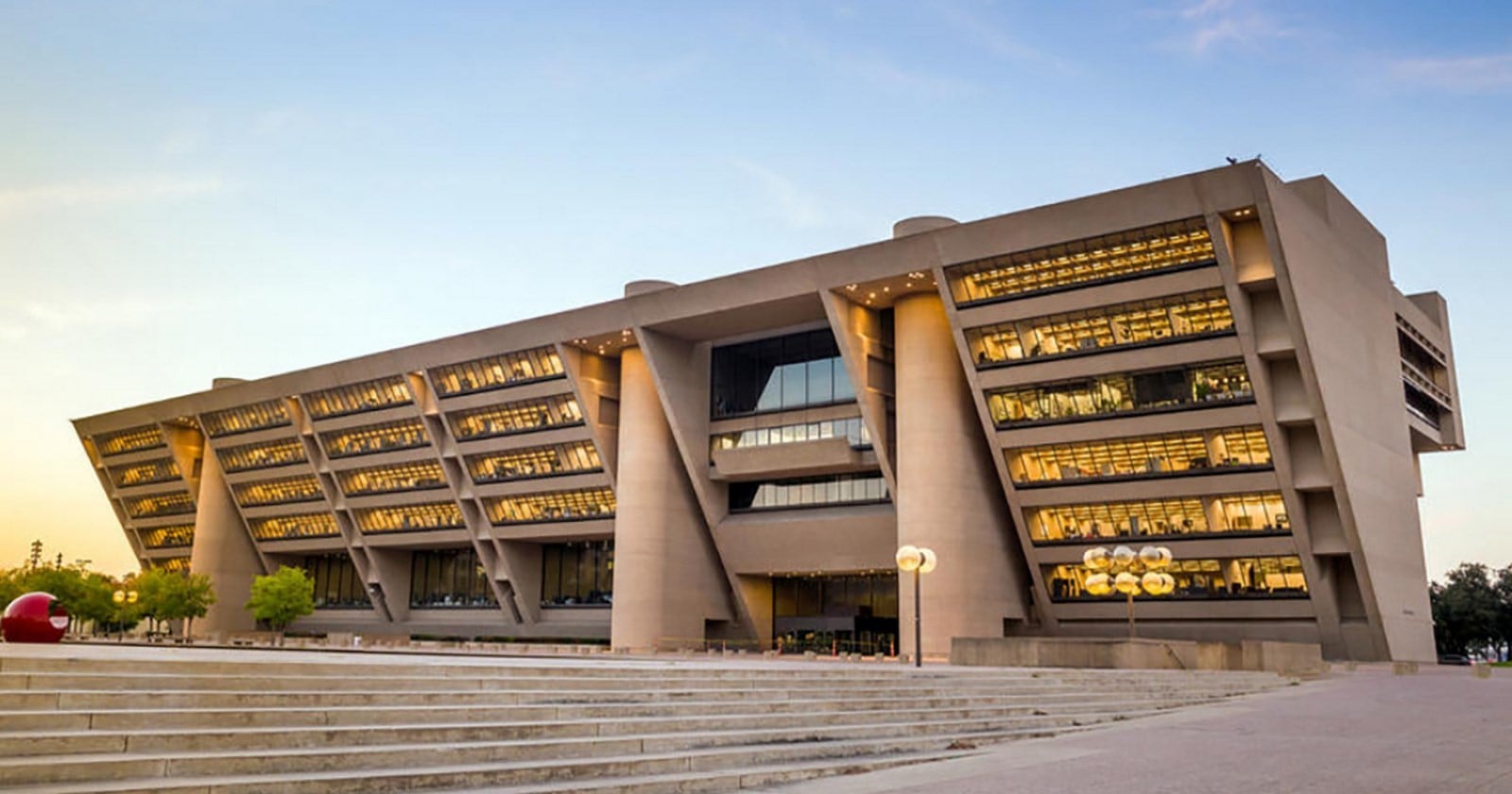
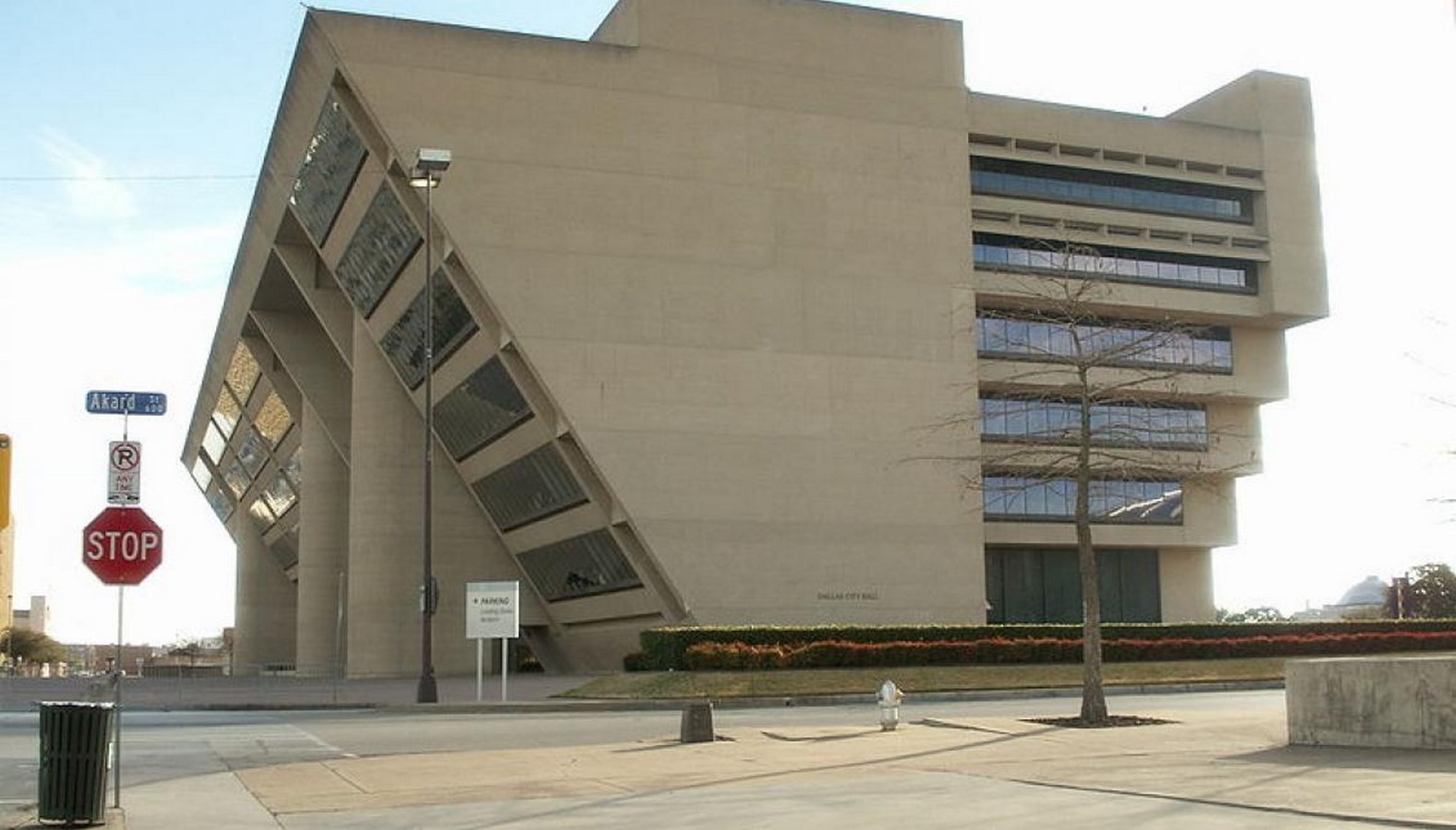
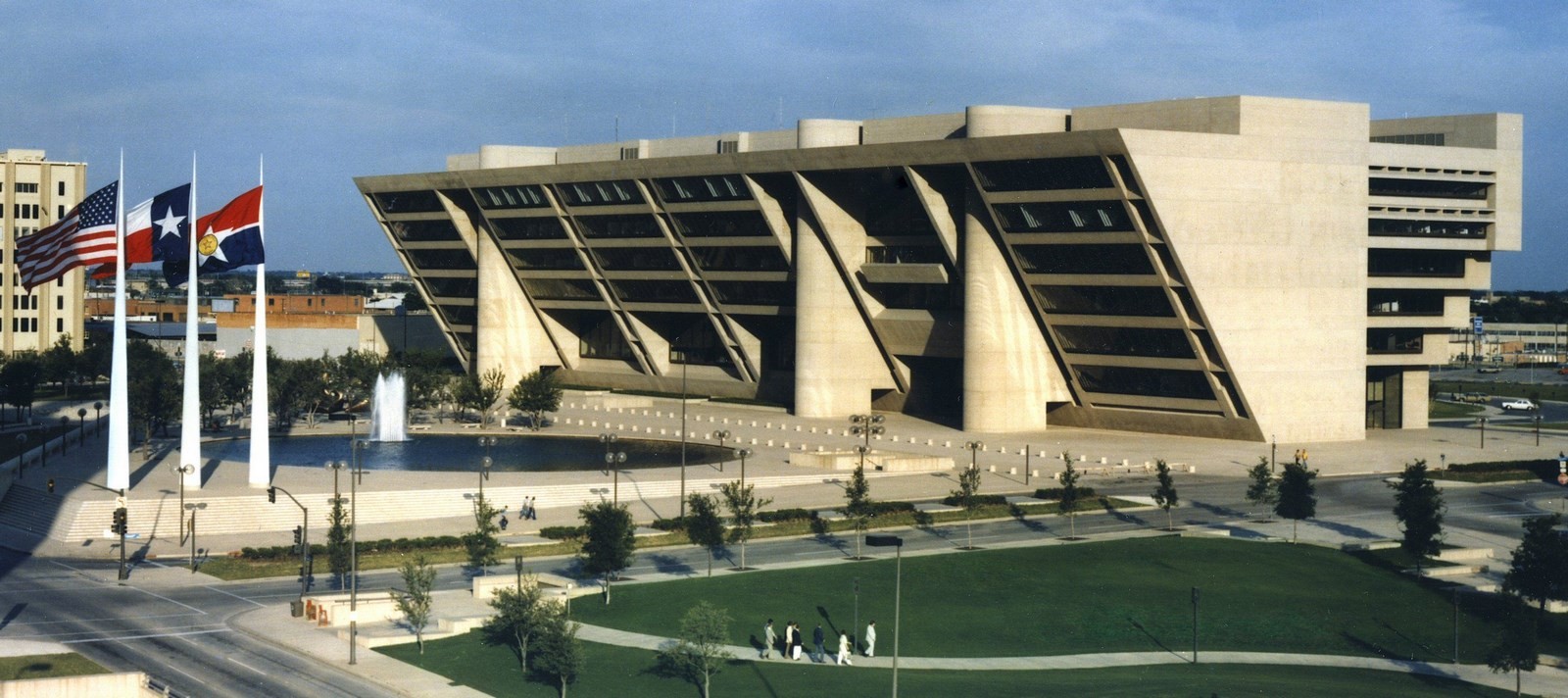
In 1978, Pei took the form of an inverted pyramid to design this building, nourishing all requirements and functions. This structure was constructed in cast-in-situ with an outward slope of 34°. 560 feet long, with its width varying by 9 feet on every floor, stands strong and bold with small public offices housed on lower floors and large Administrative offices with other private spaces on top floors. This splendid structure came into controversies as well for its cost crossing the specified budget, and executed in 3 phases: garage parking, park plaza, and the main building.
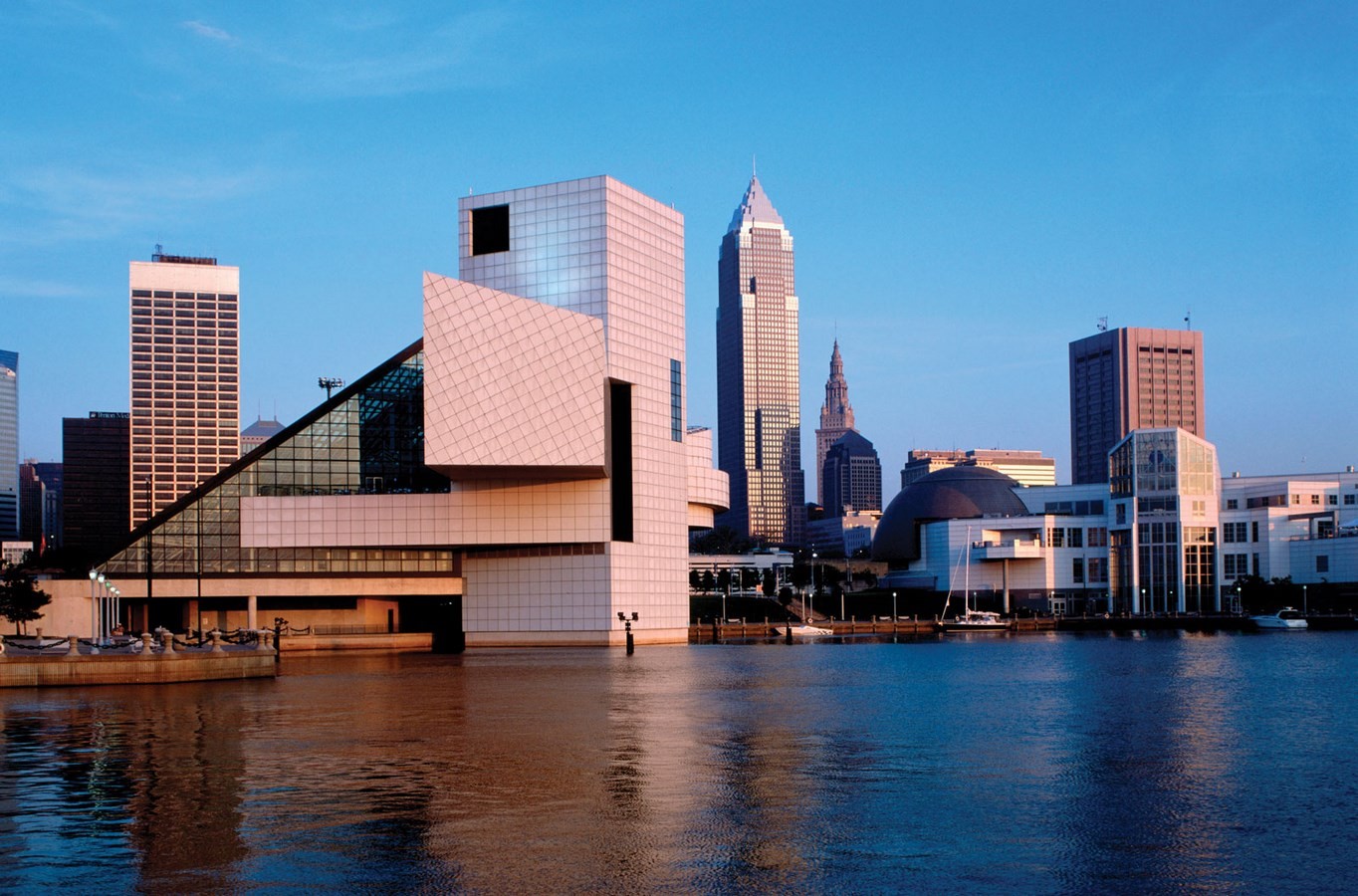
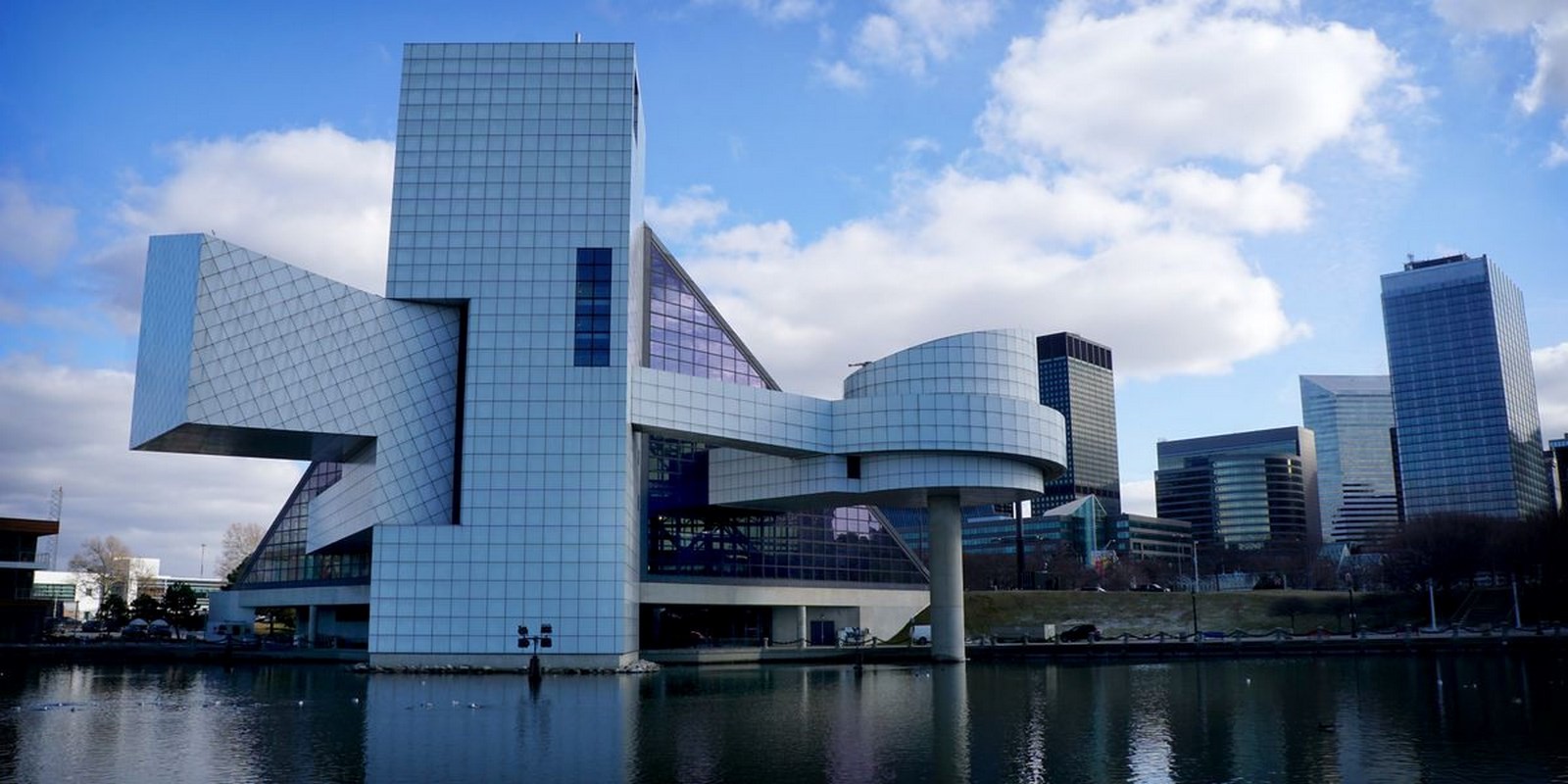
10. Rock and Roll Hall of Fame, Cleveland, Ohio | I.M. Pei
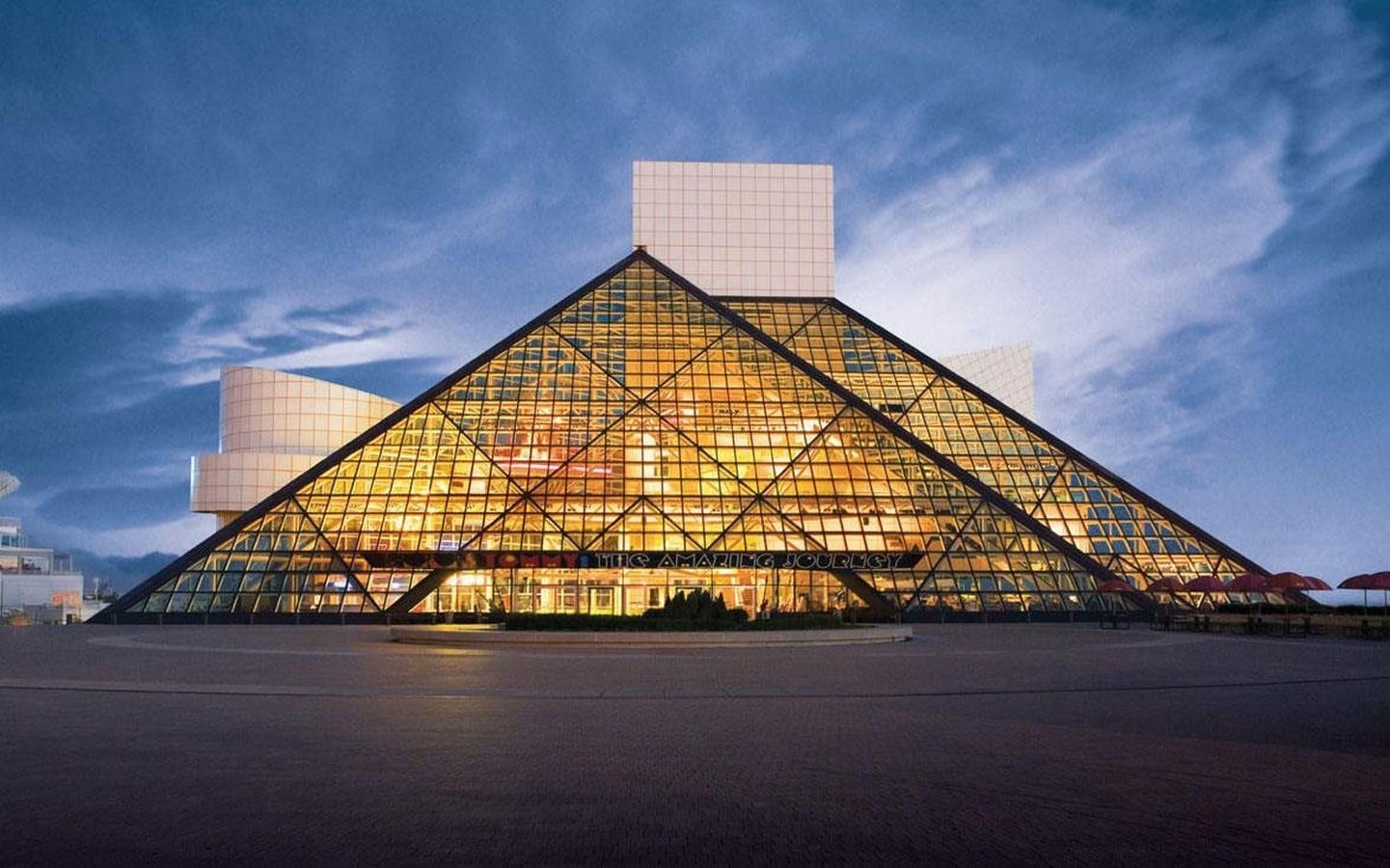
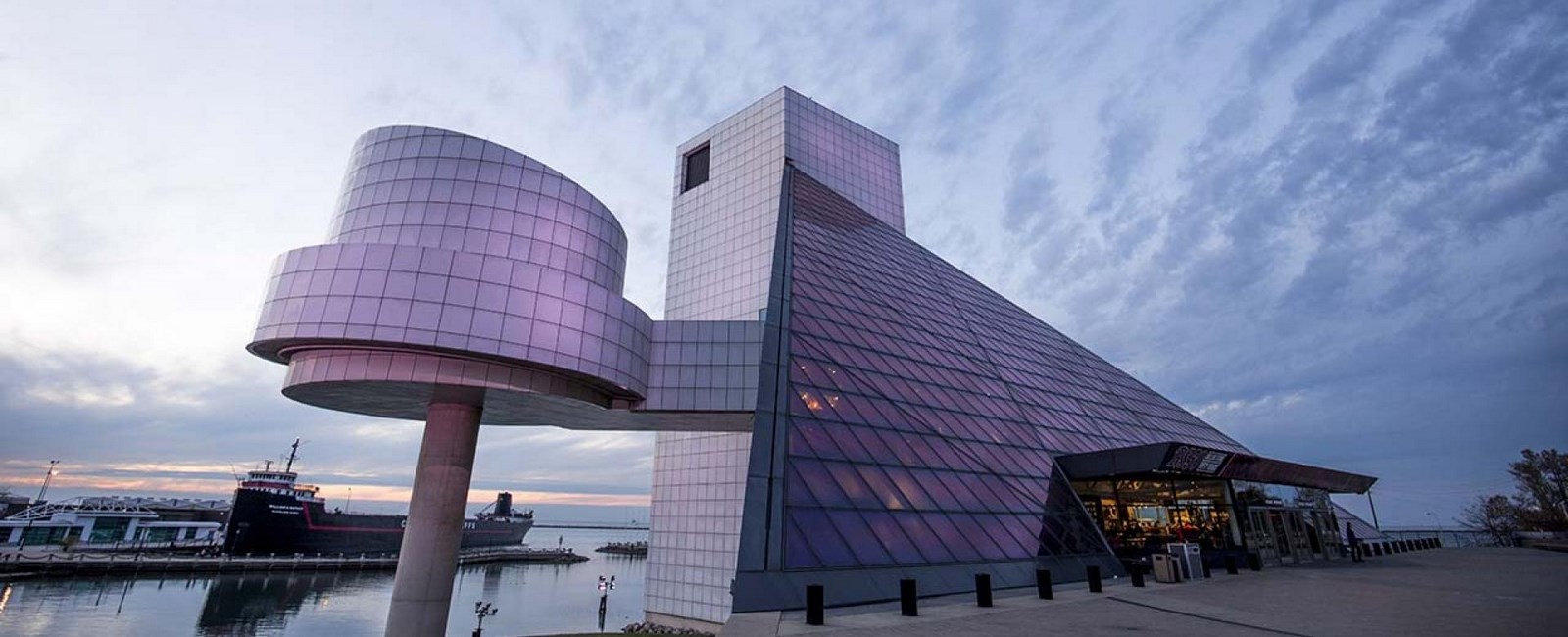
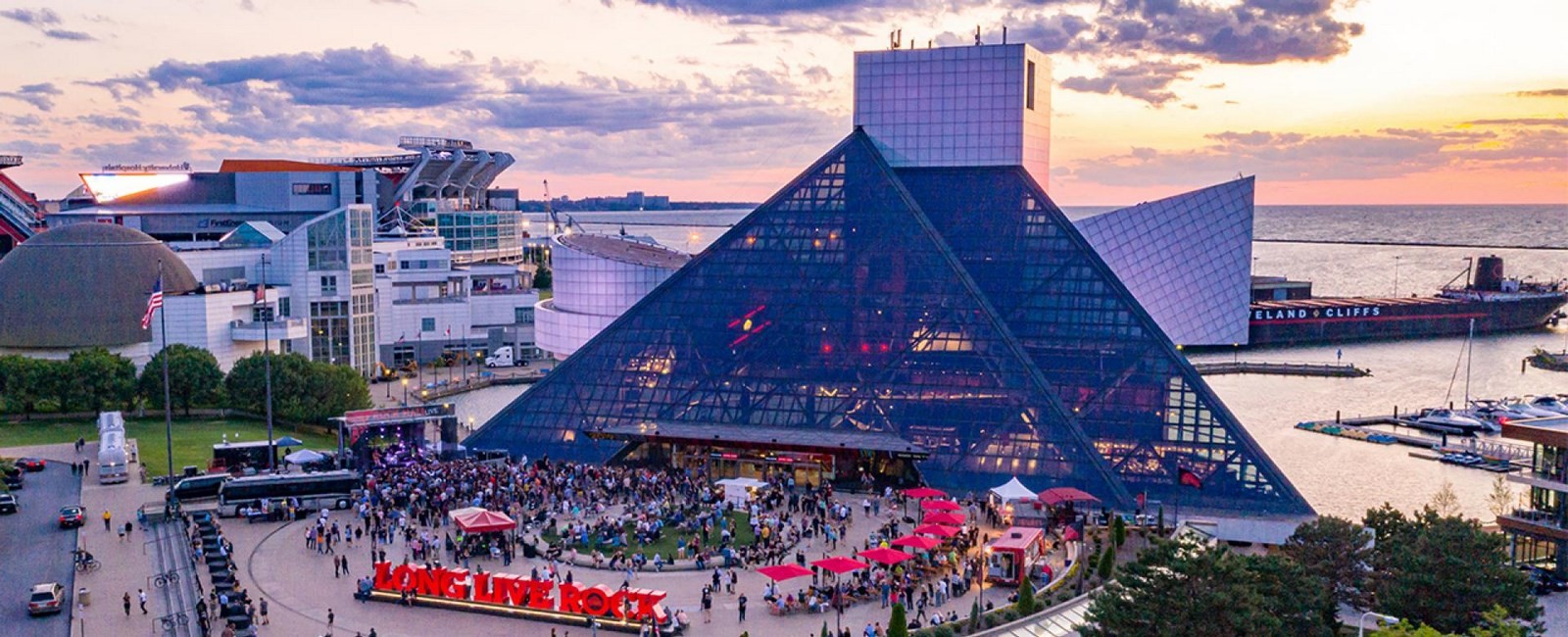
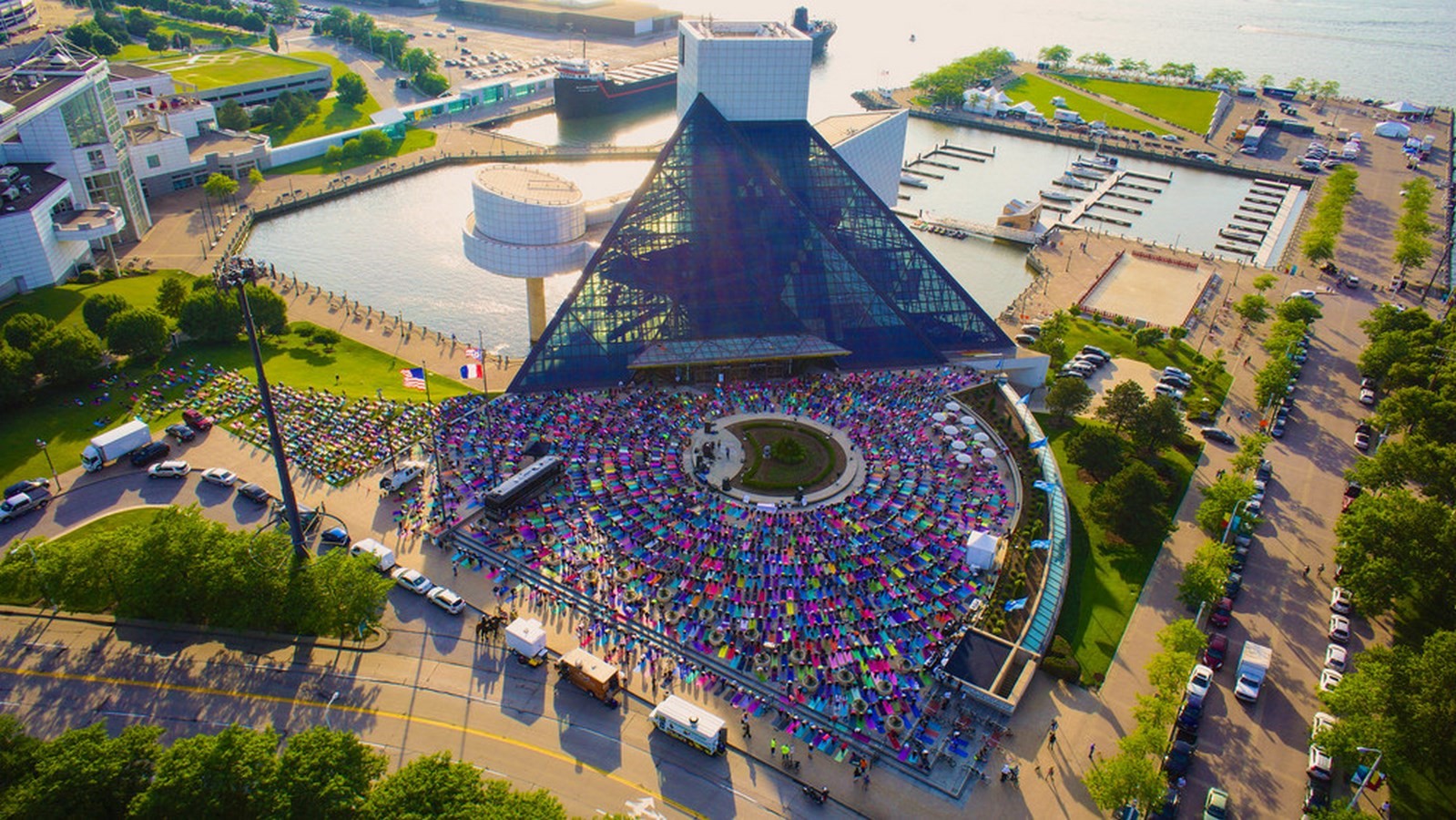
After completing a series of the museum, the juxtaposition of geometric shapes and sloping glass reached Cleveland making a statement of modern dynamics. The building inhabits galleries, offices, and concert hall and was completed in 1995. With reducing floor plate as the building rises, 165 feet tall circular tower balances the form, incorporating all the required spaces segregated according to its function.